
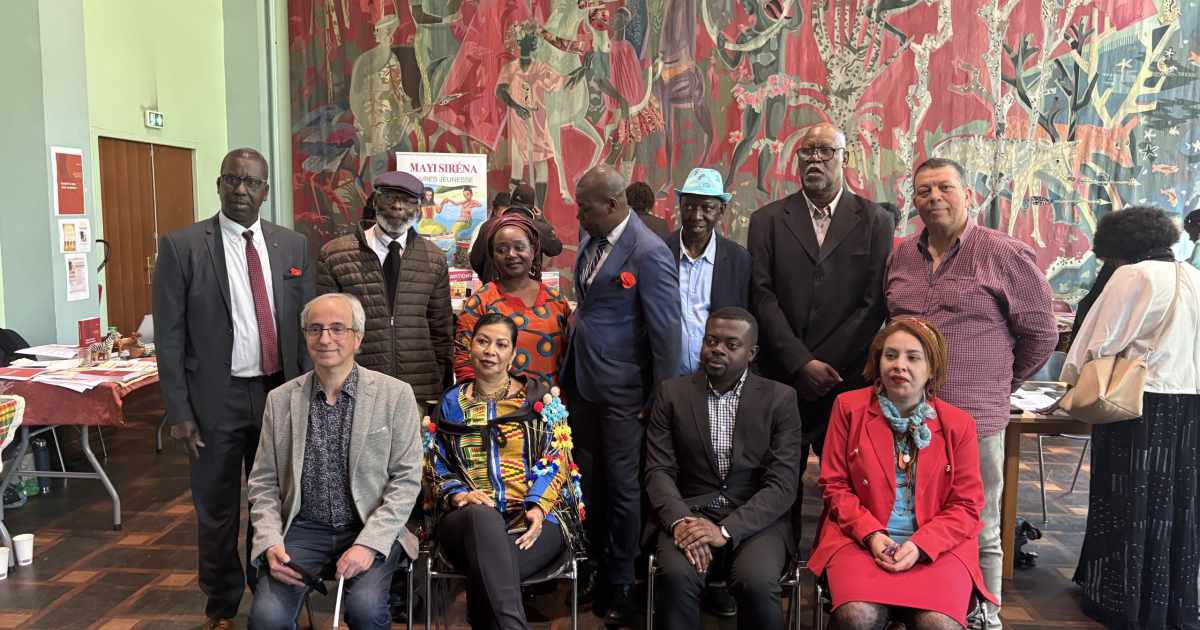
A Major African Cultural Event in the Heart of Paris
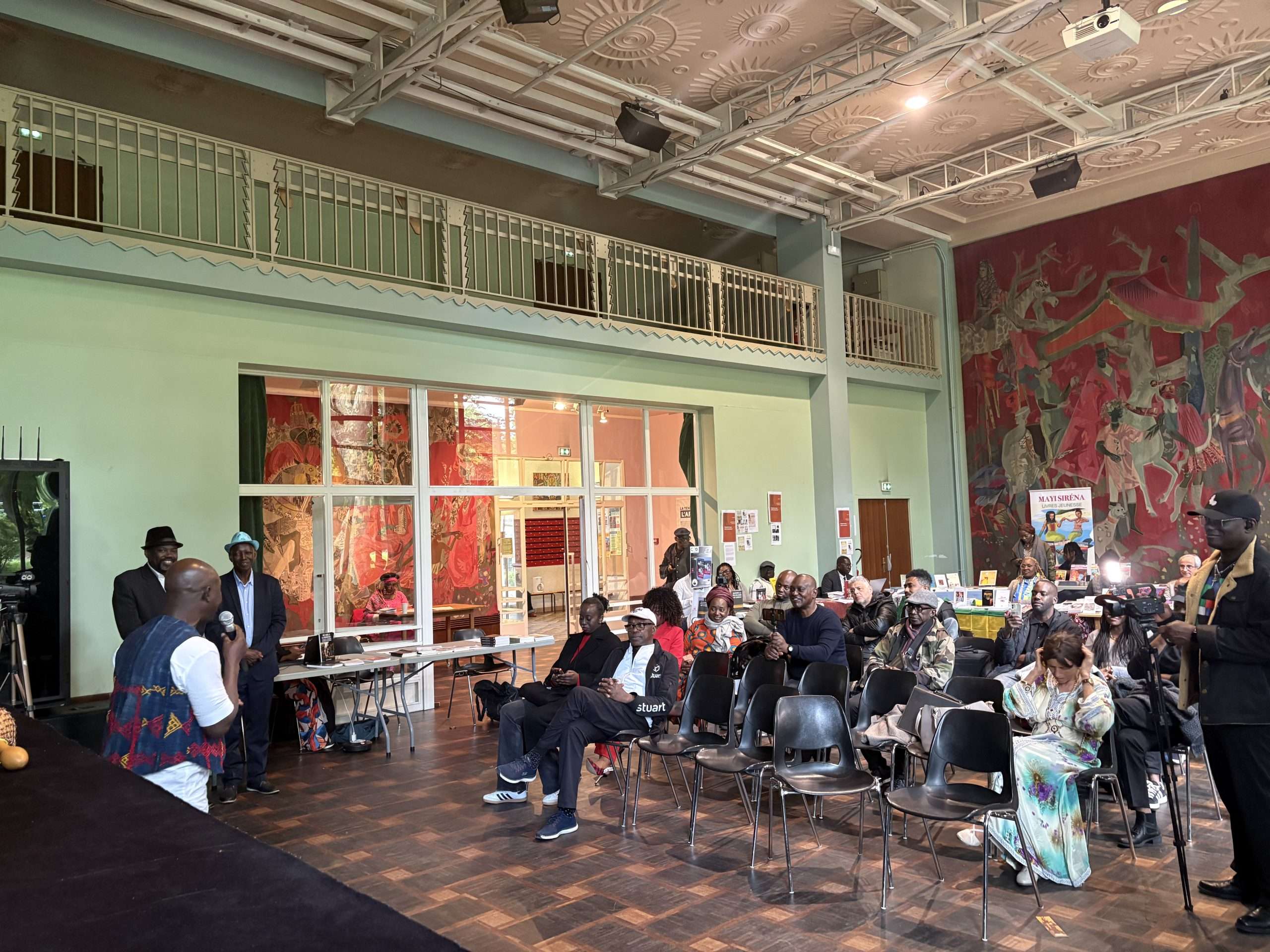
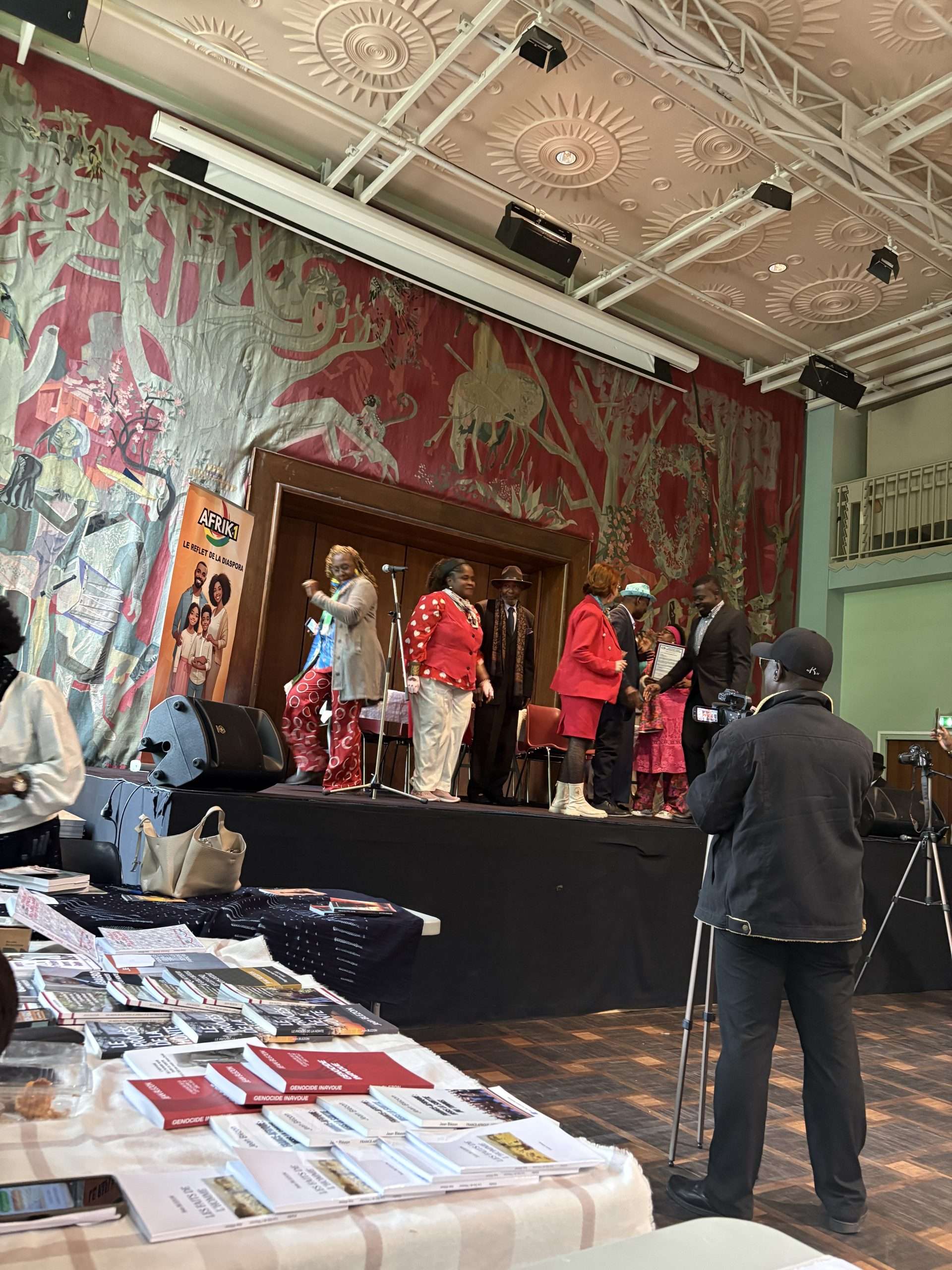
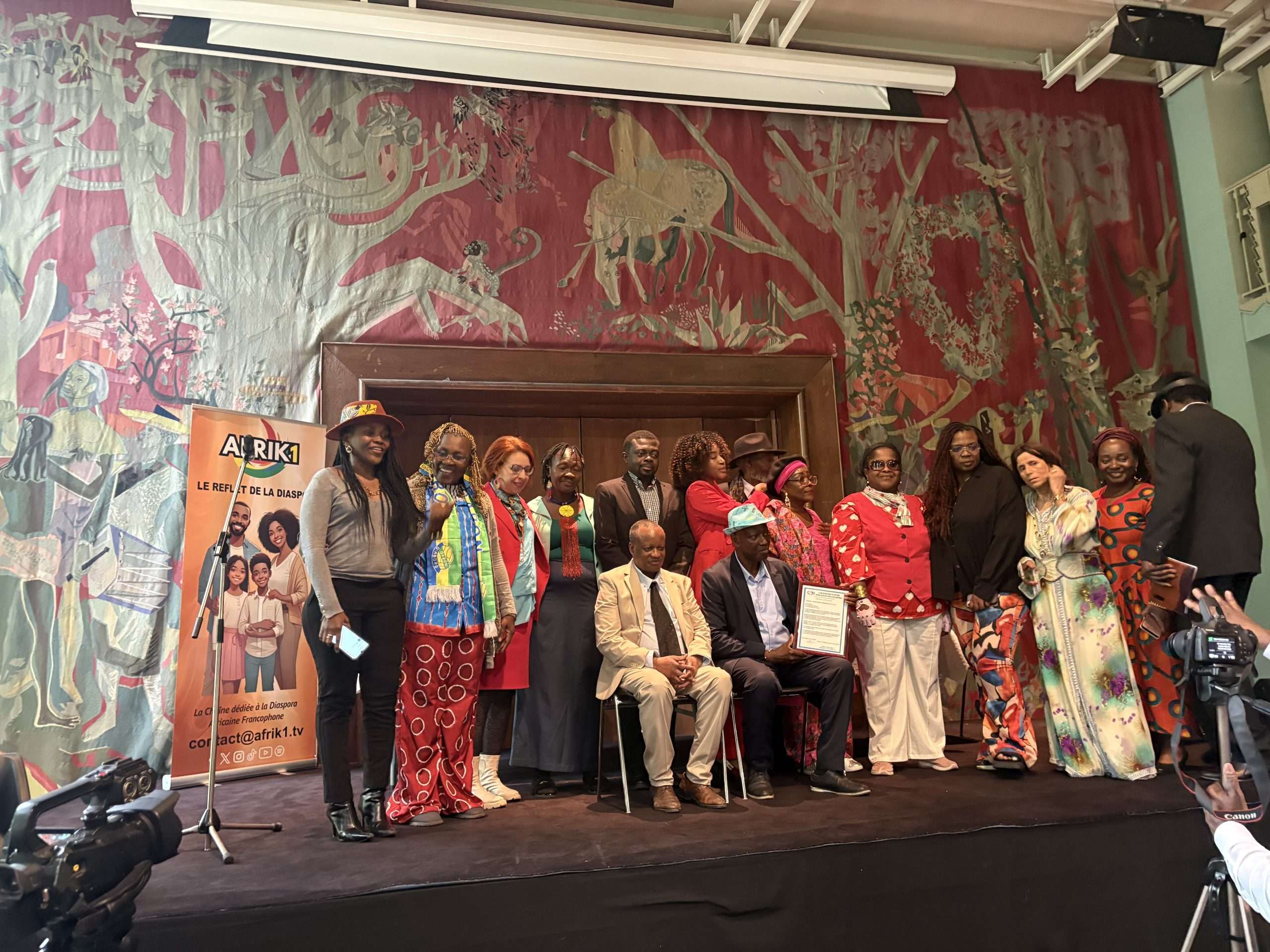
Paris hosted, on Saturday May 16, 2026, a major celebration dedicated to African literature and thought during the first edition of the International African Book Day (JILA), organized at the Lucien Paye Foundation of the Cité Internationale Universitaire de Paris.
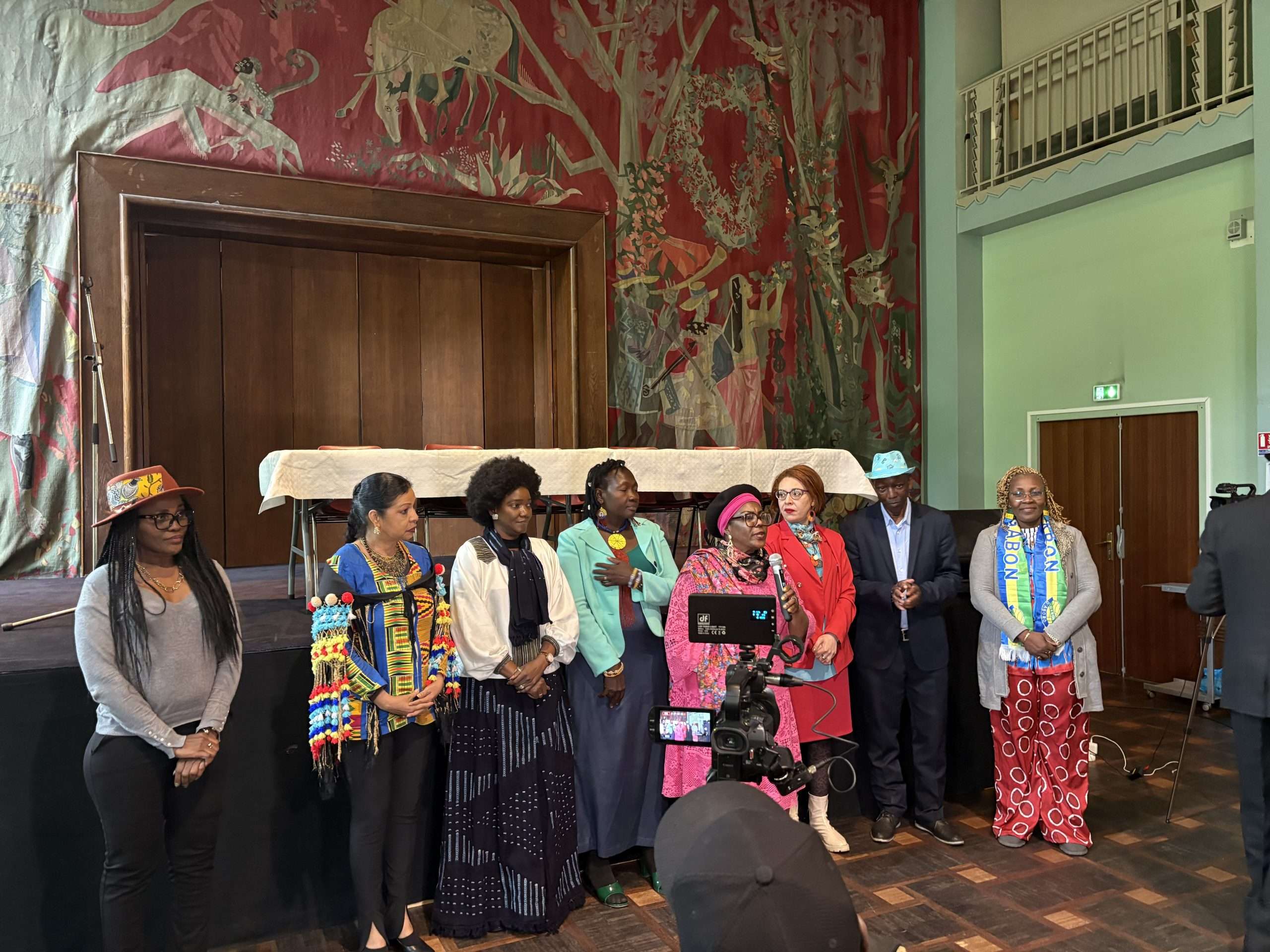
This first edition, supported by several African and pan-African cultural organizations, including CAAD and AFRIK1 TV, brought together writers, poets, journalists, academics, publishers, diplomats, and cultural figures from numerous African countries, as well as members of the African diaspora living in Europe.
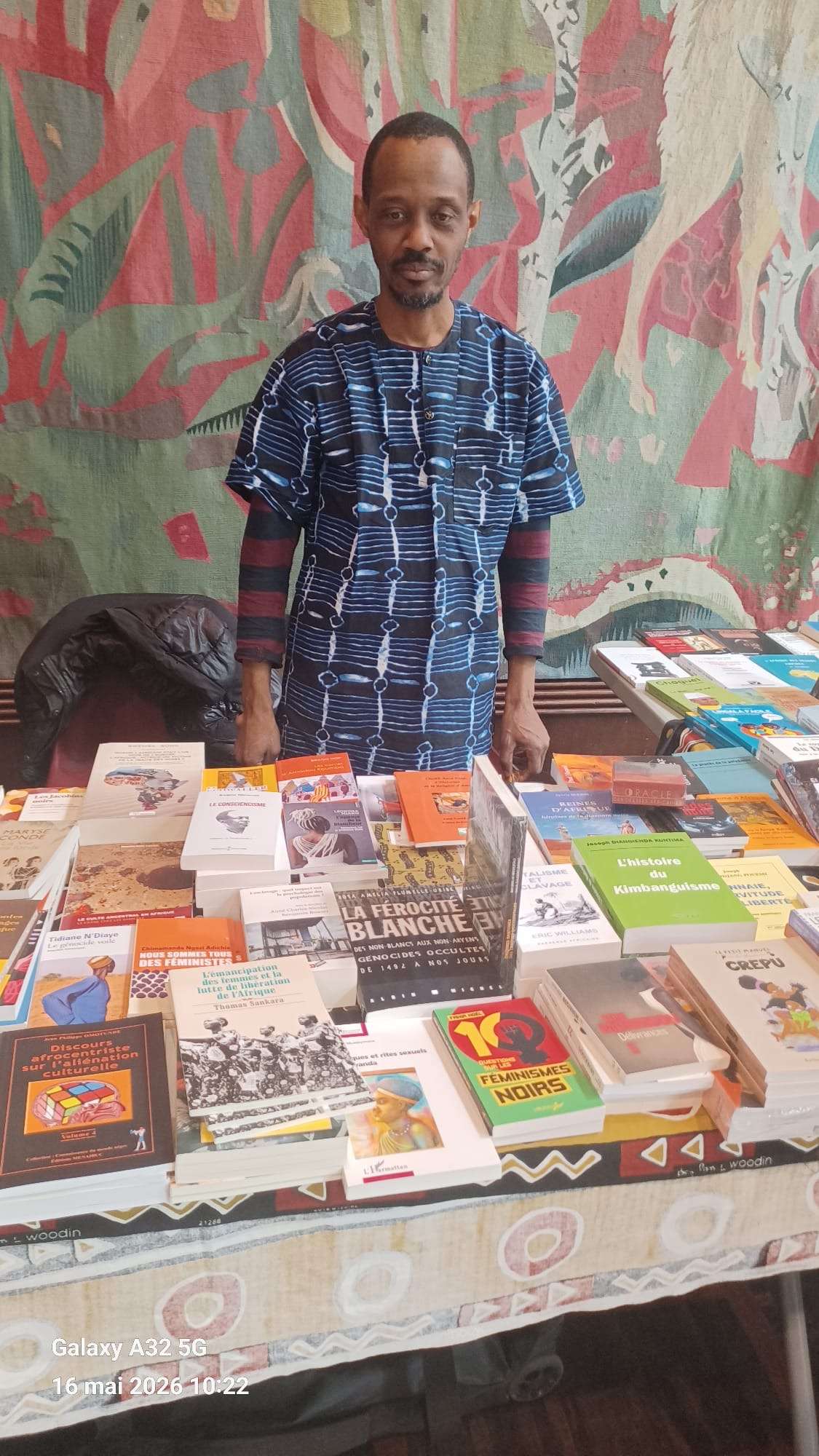
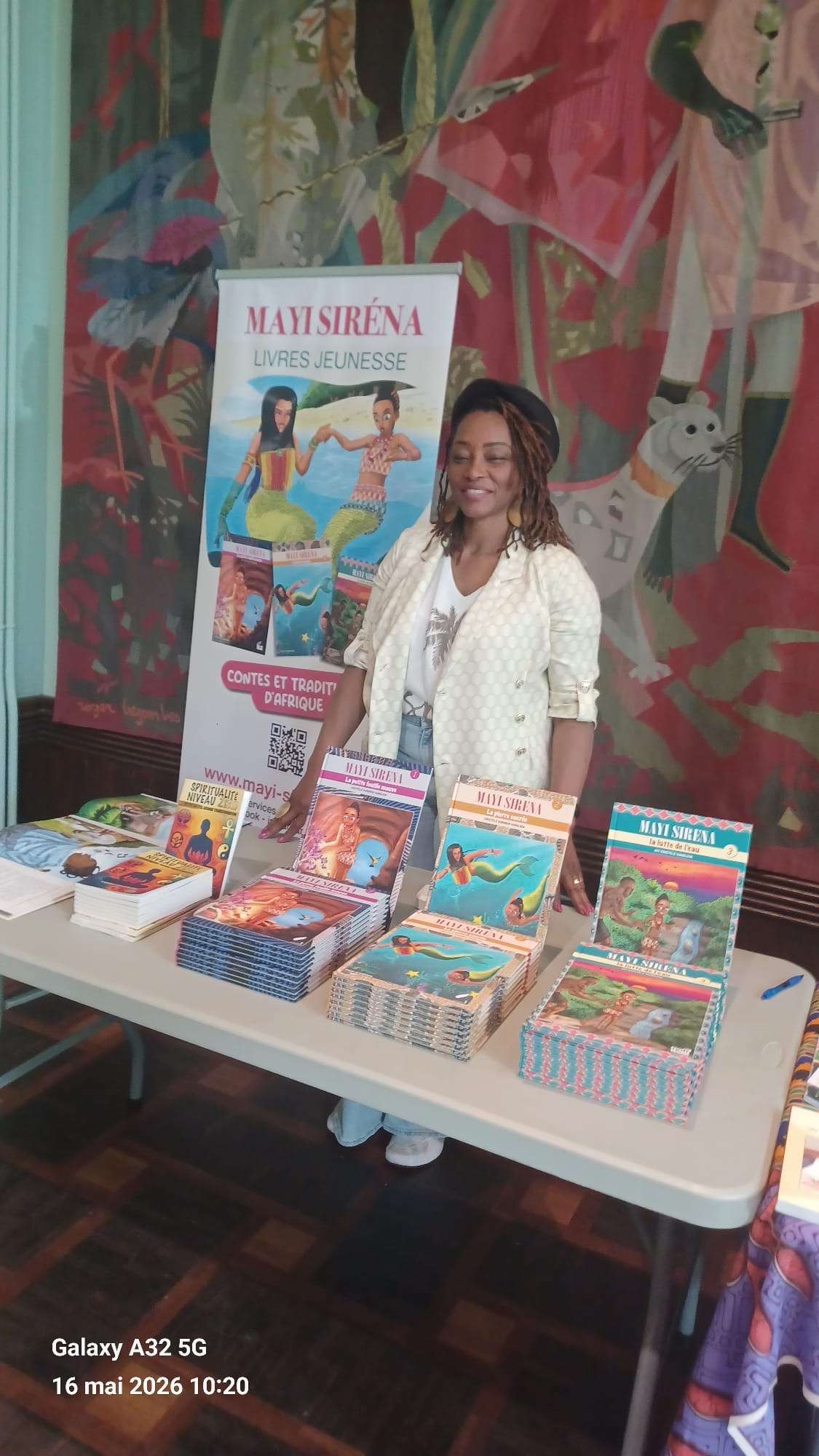
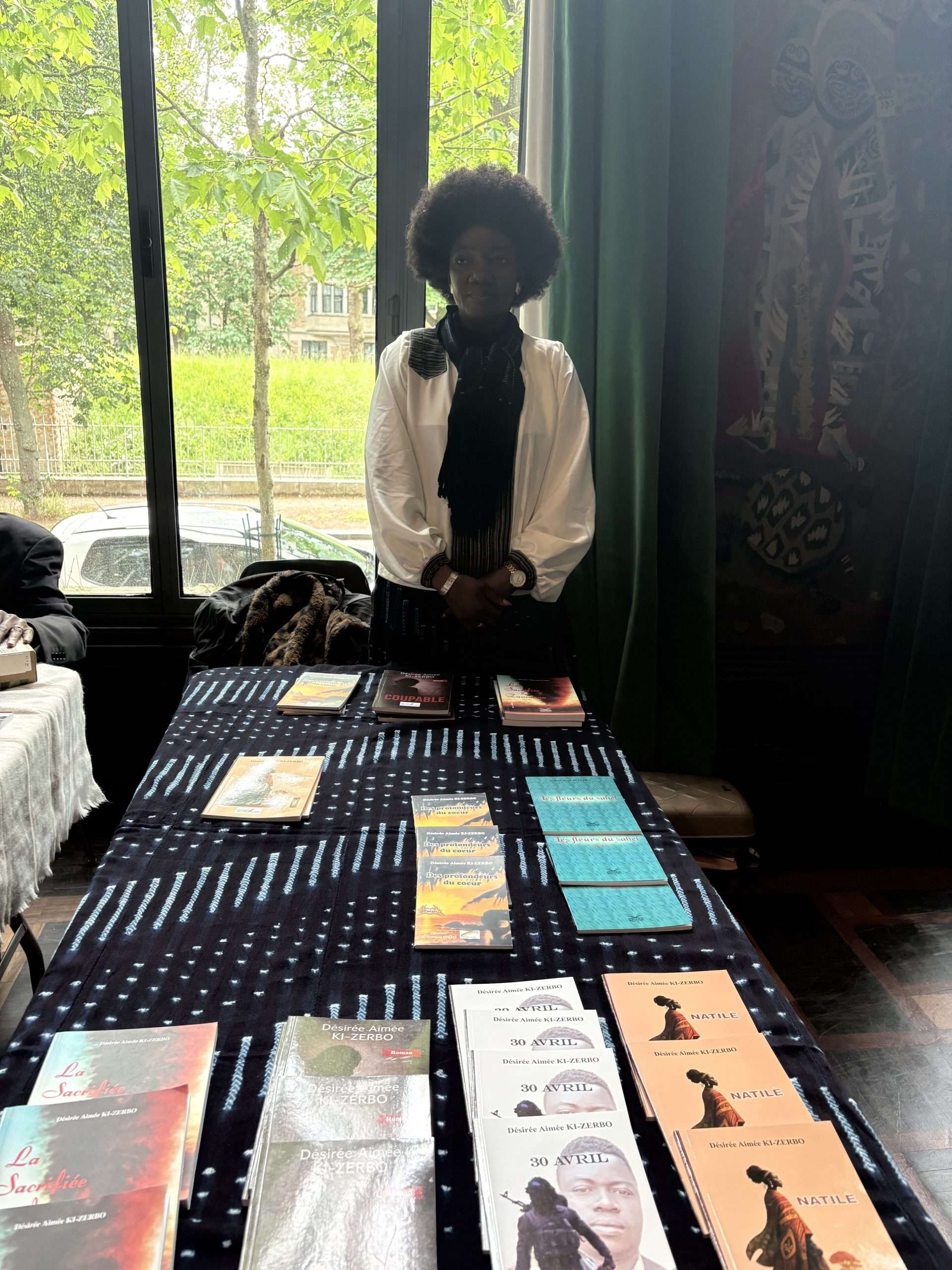
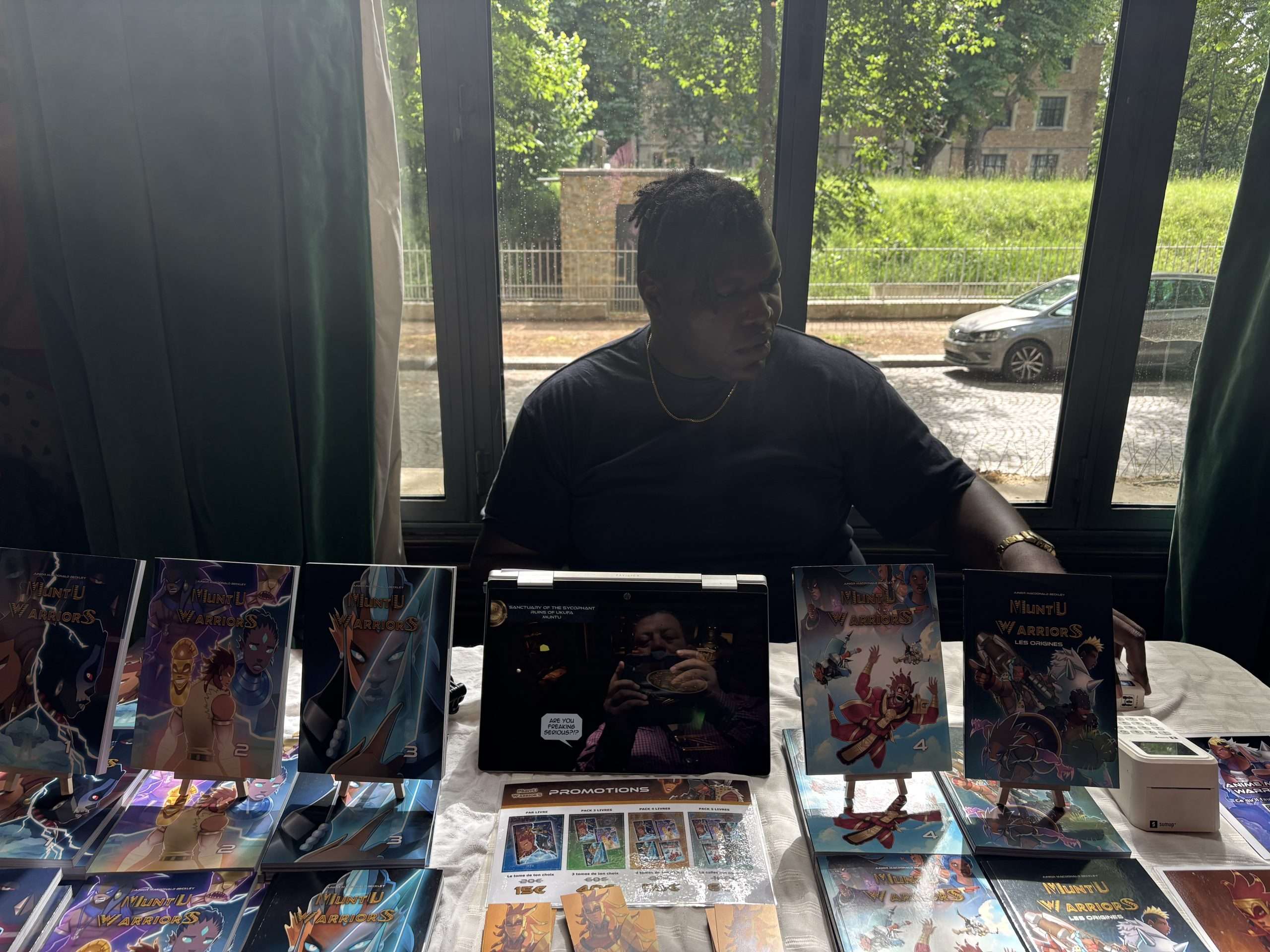
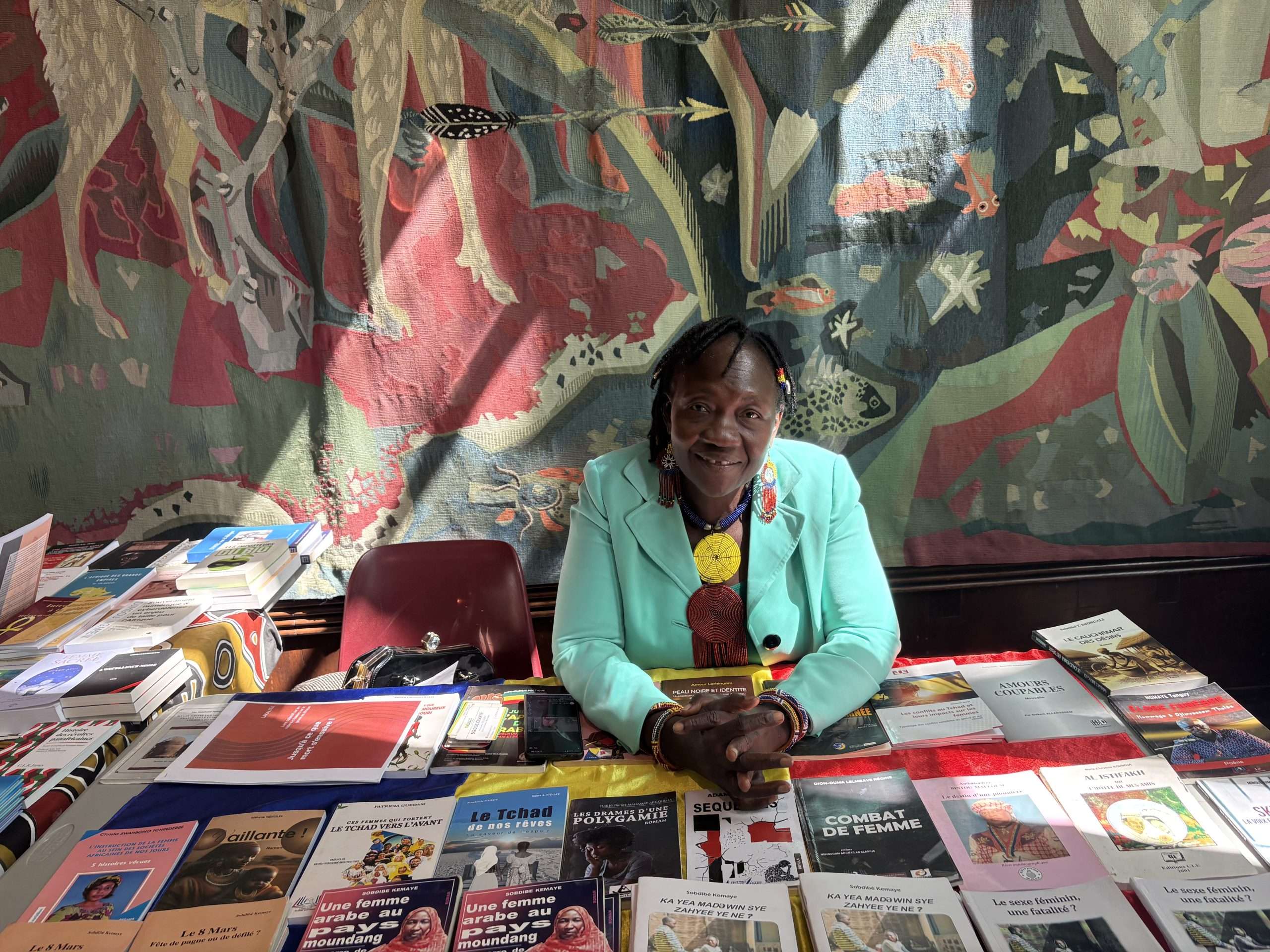
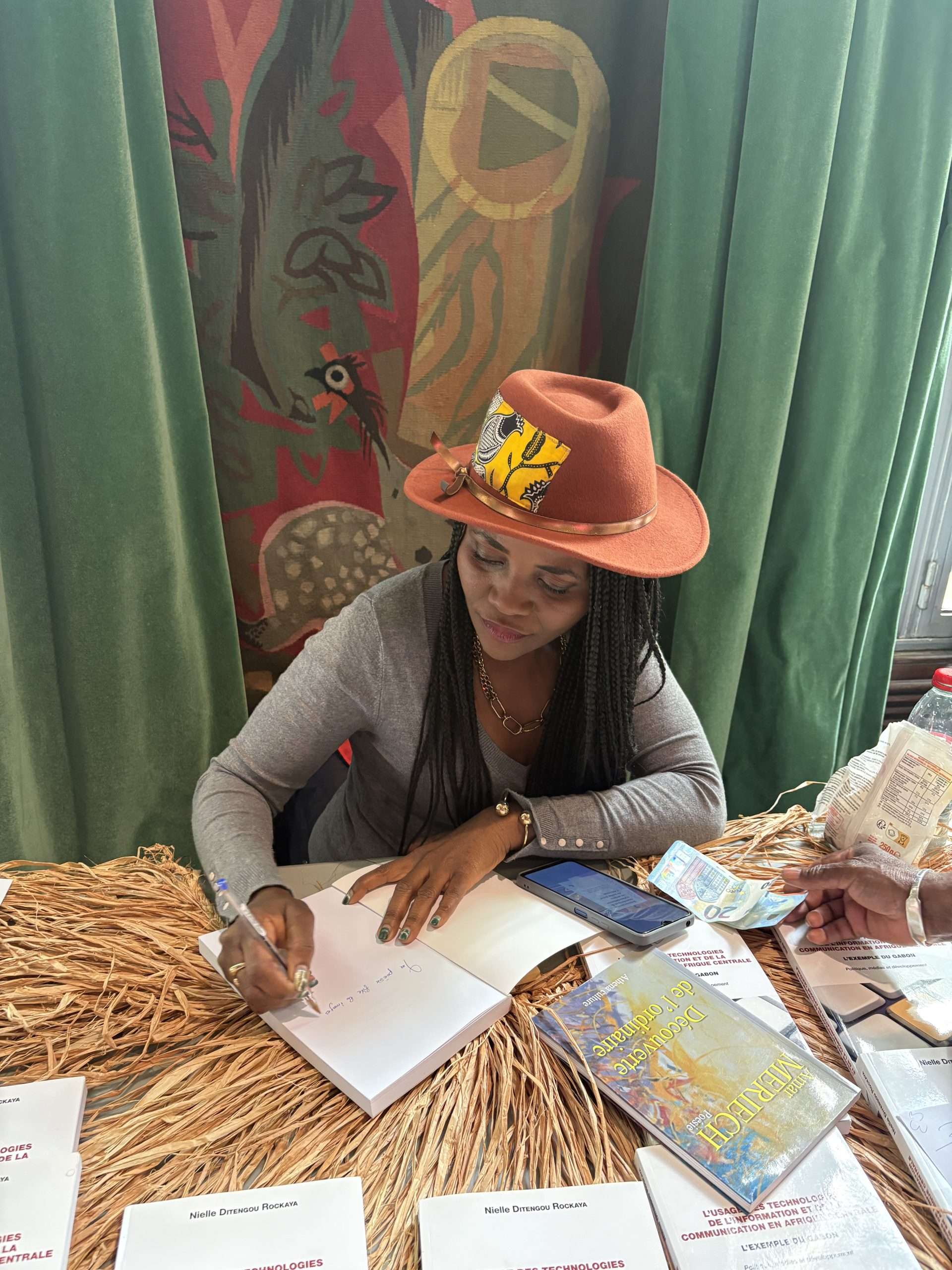
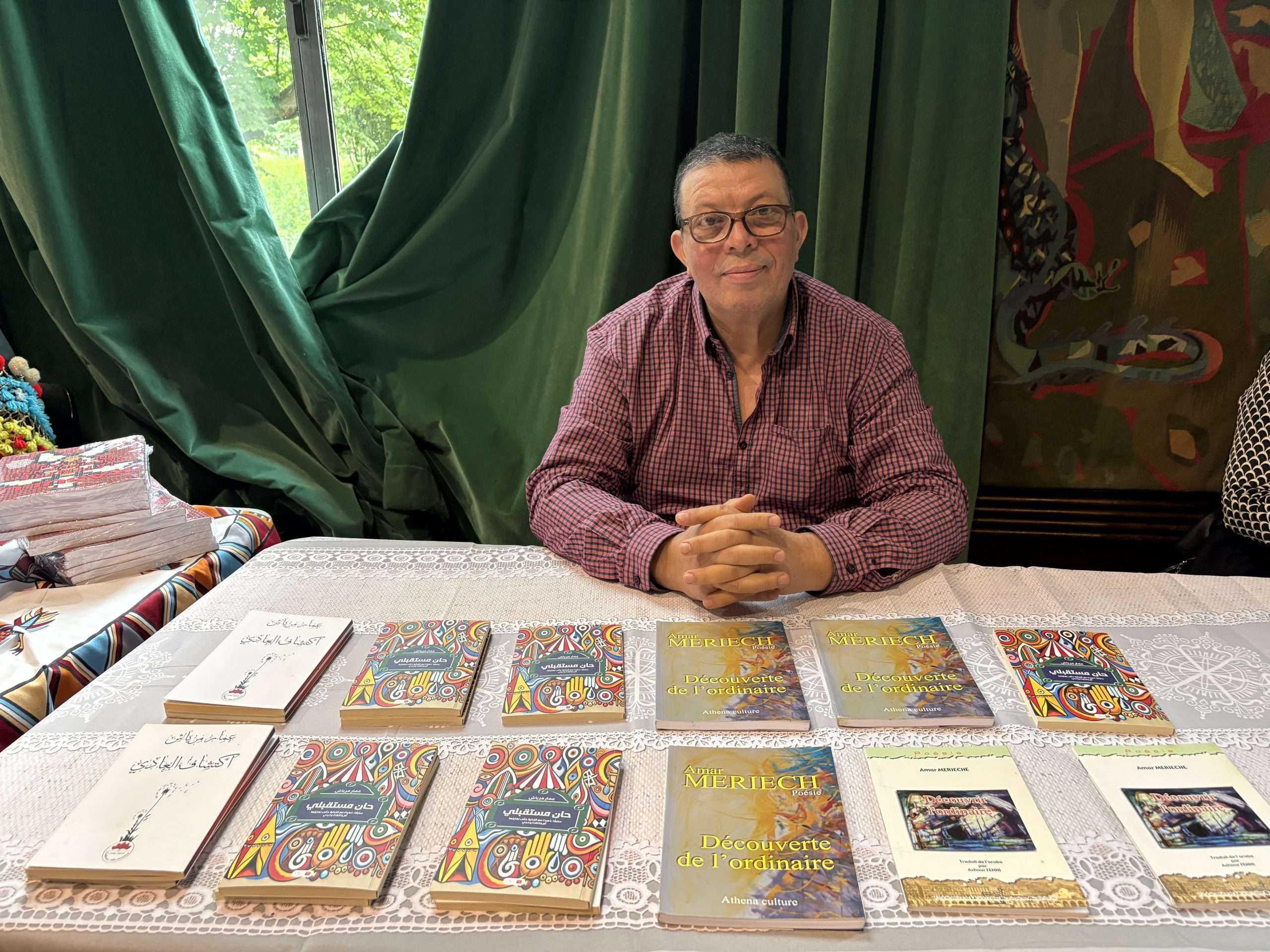
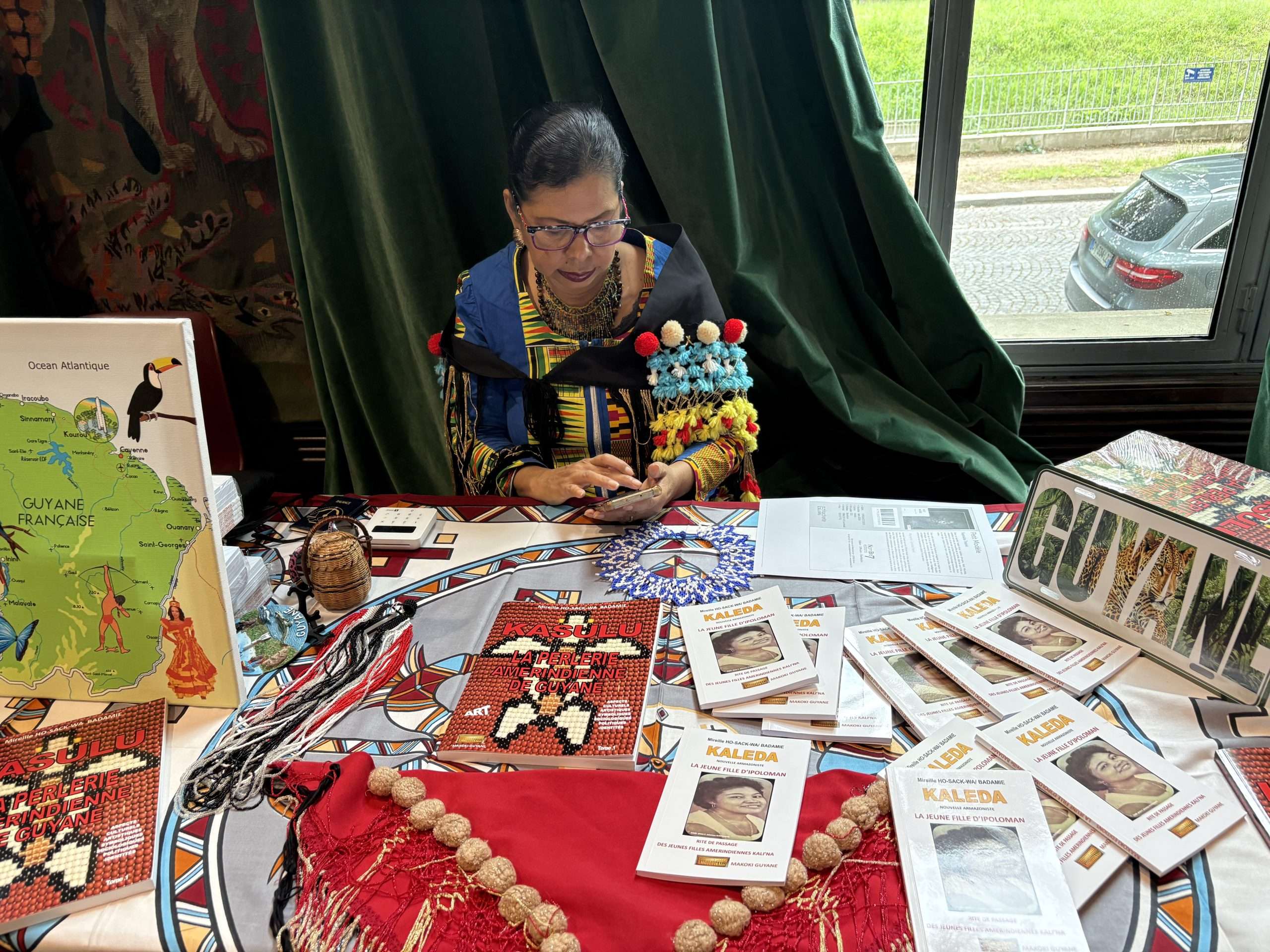
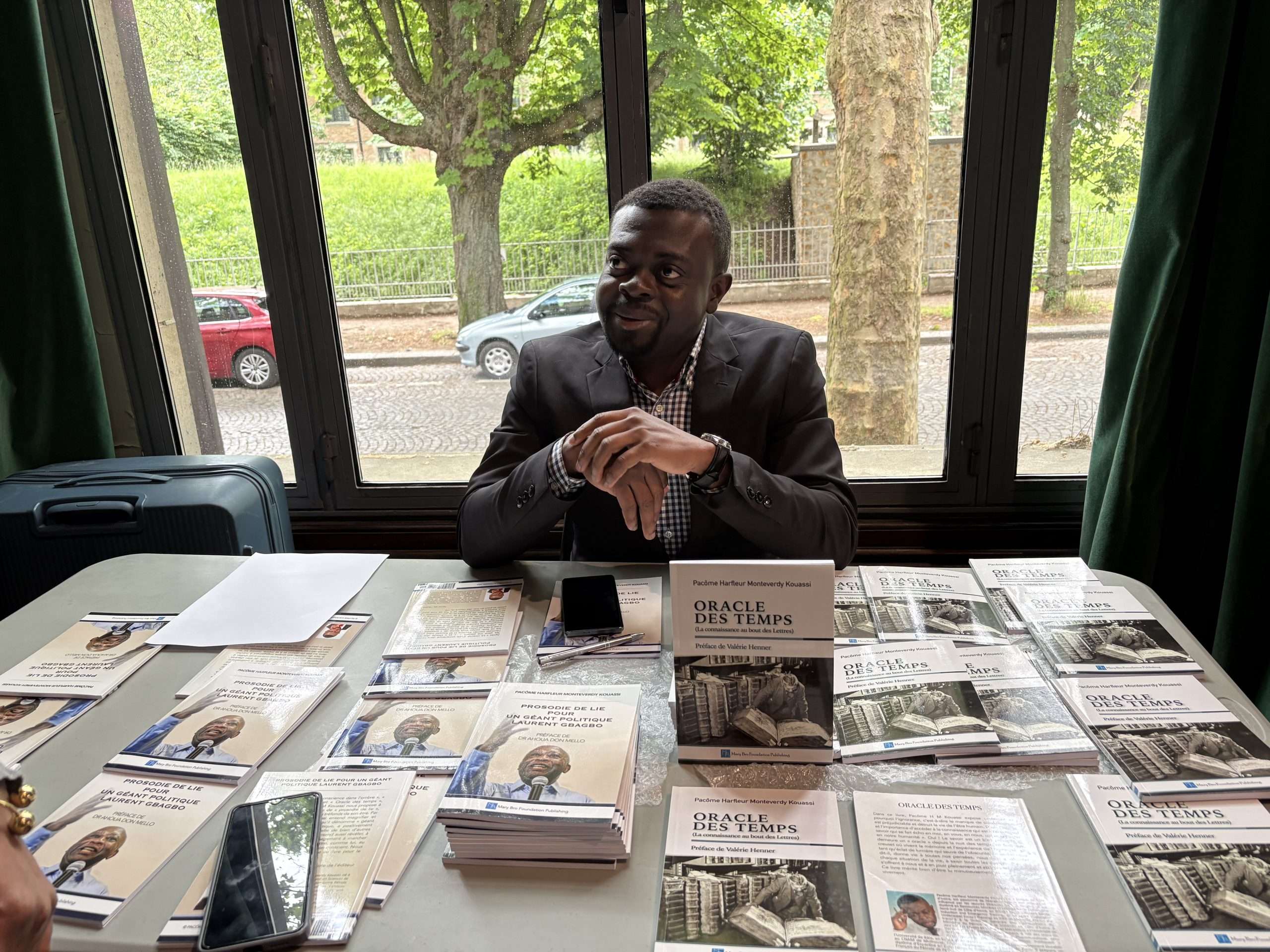
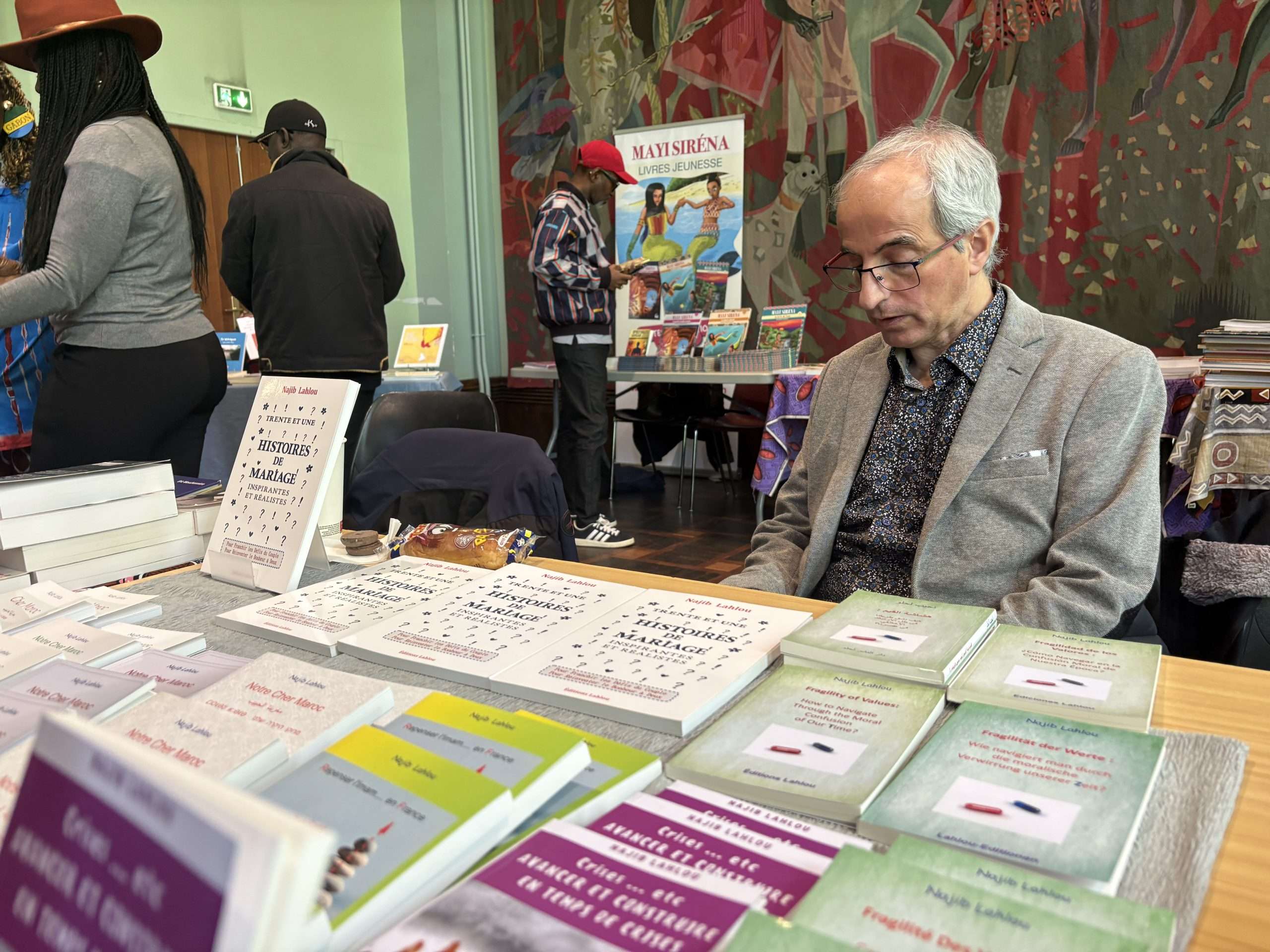
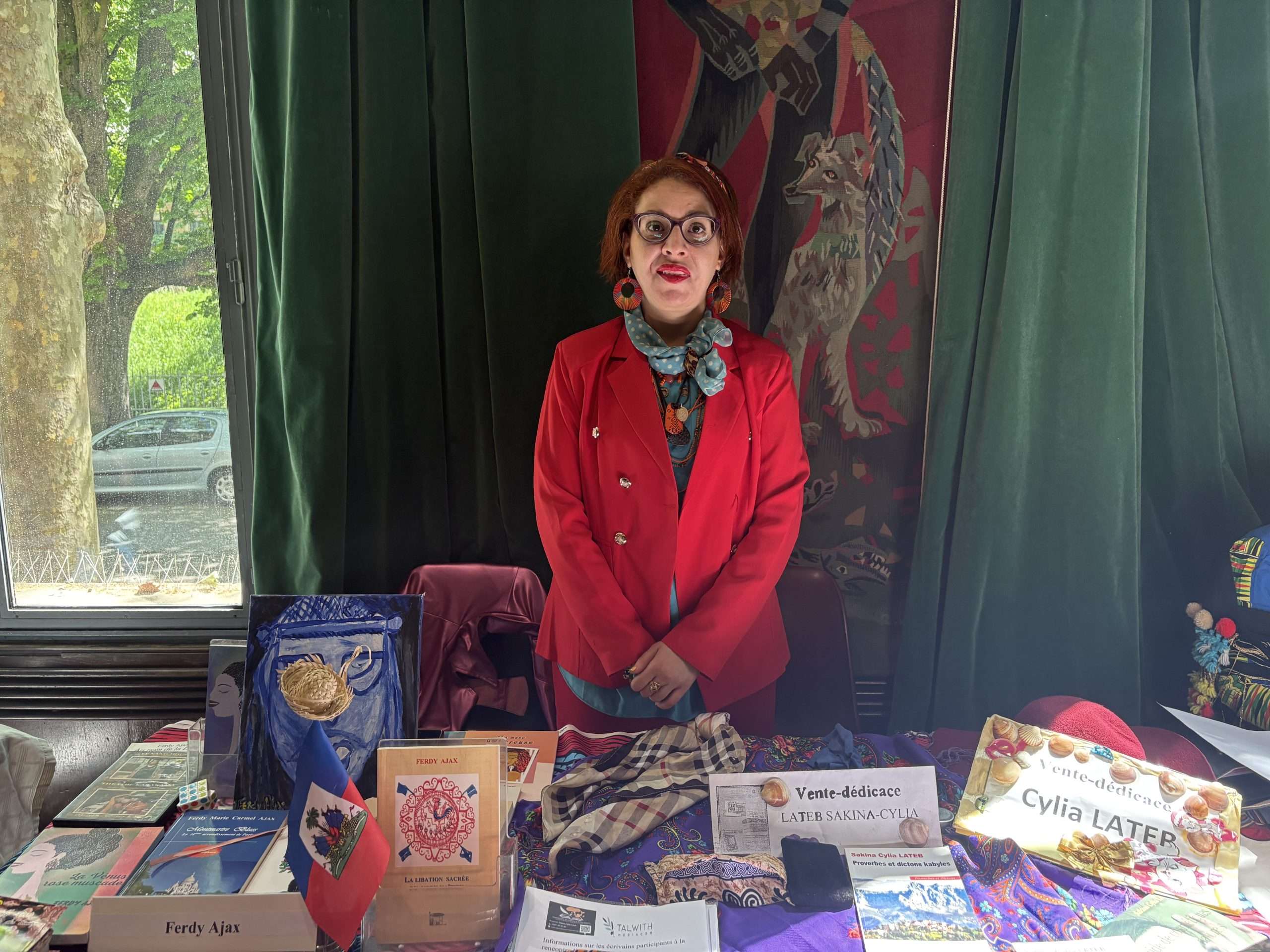
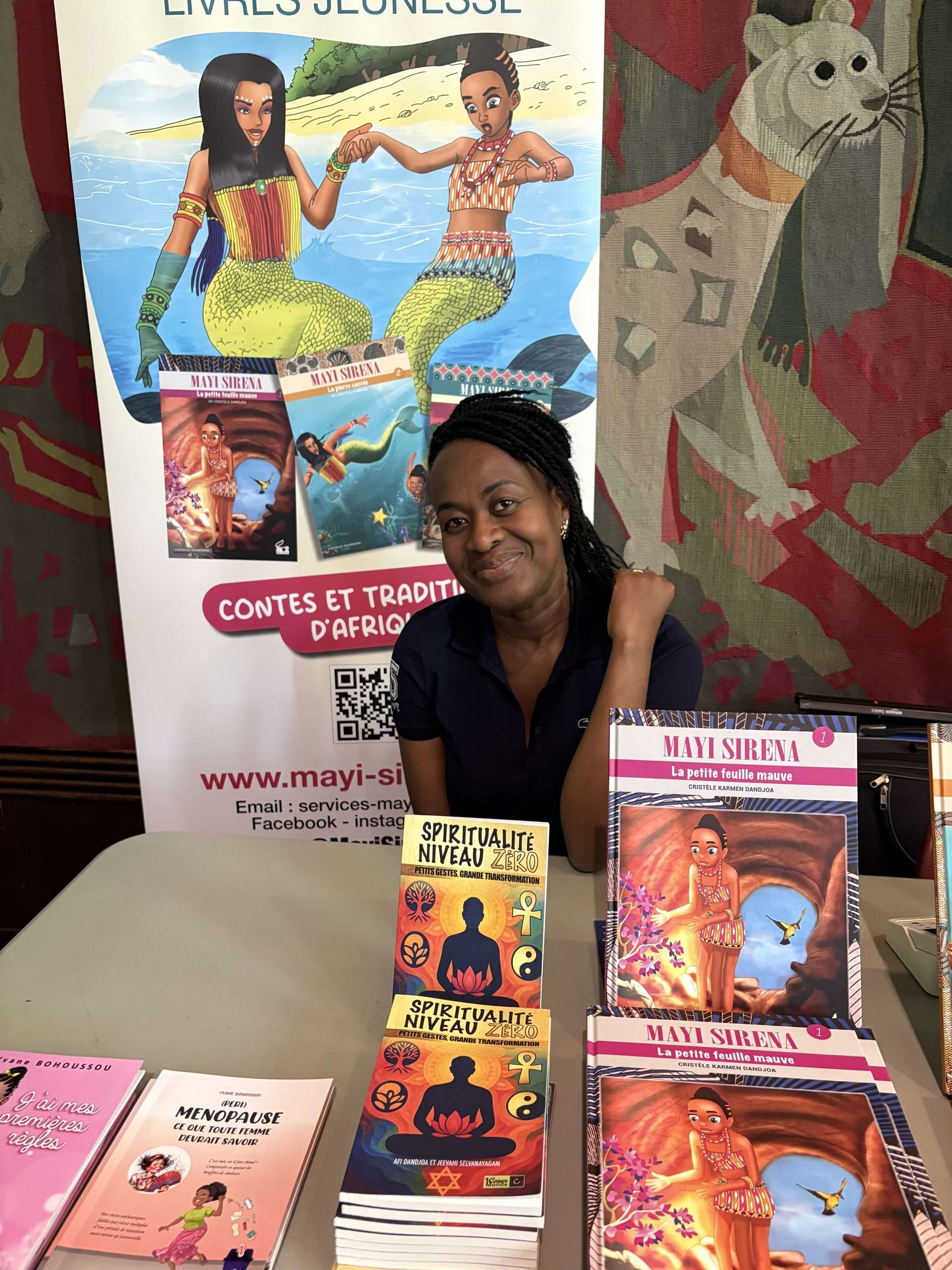
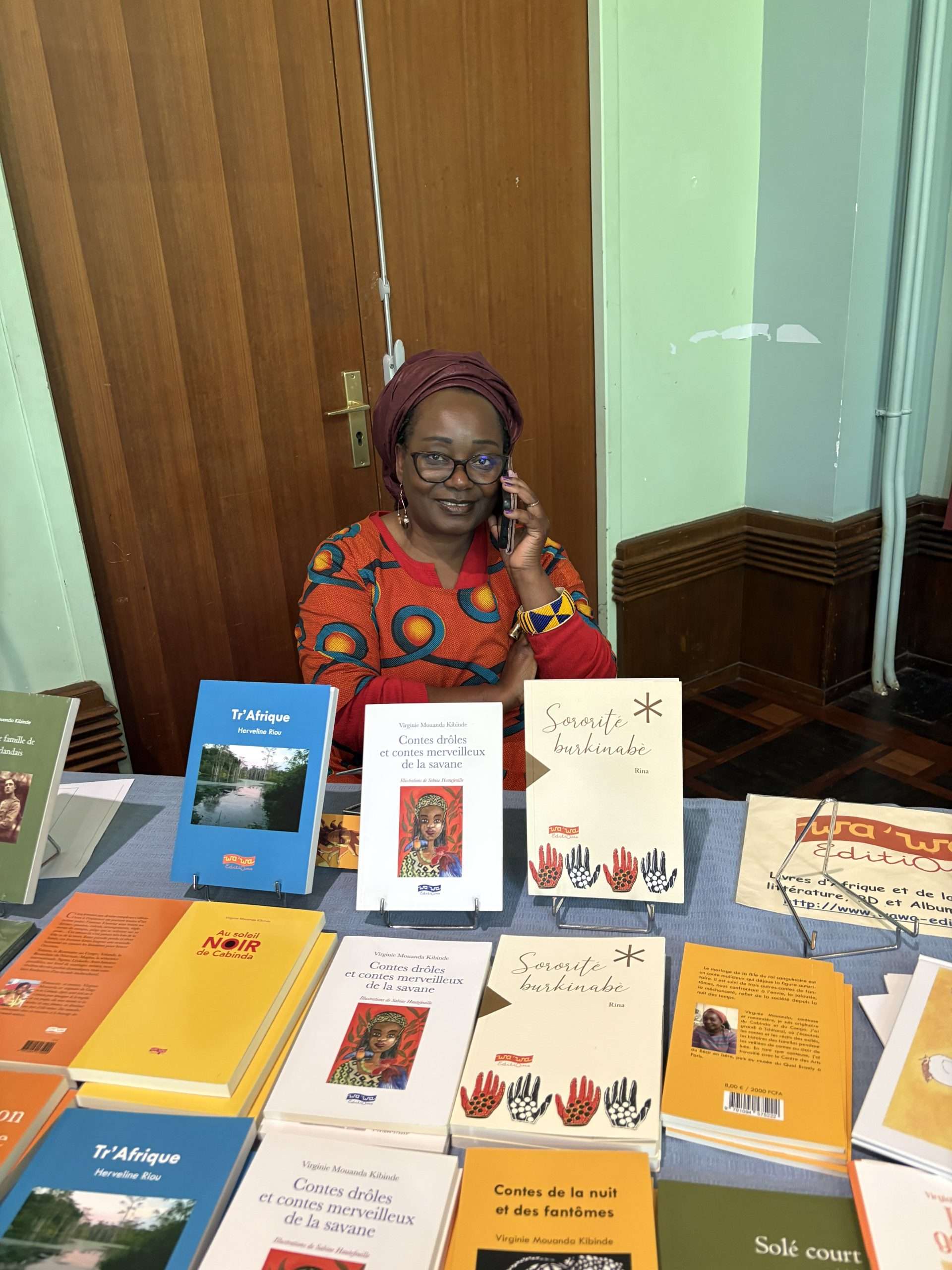
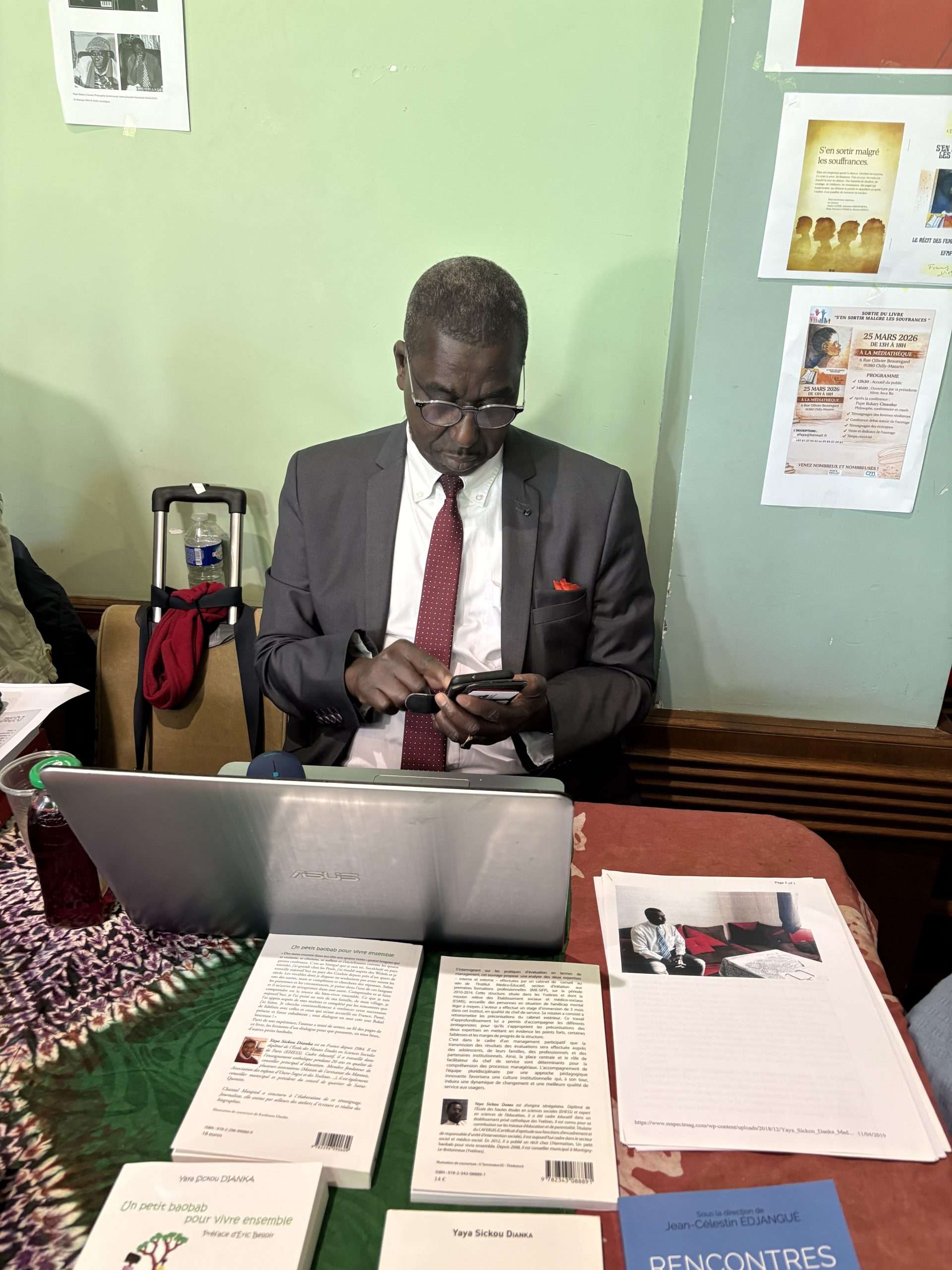
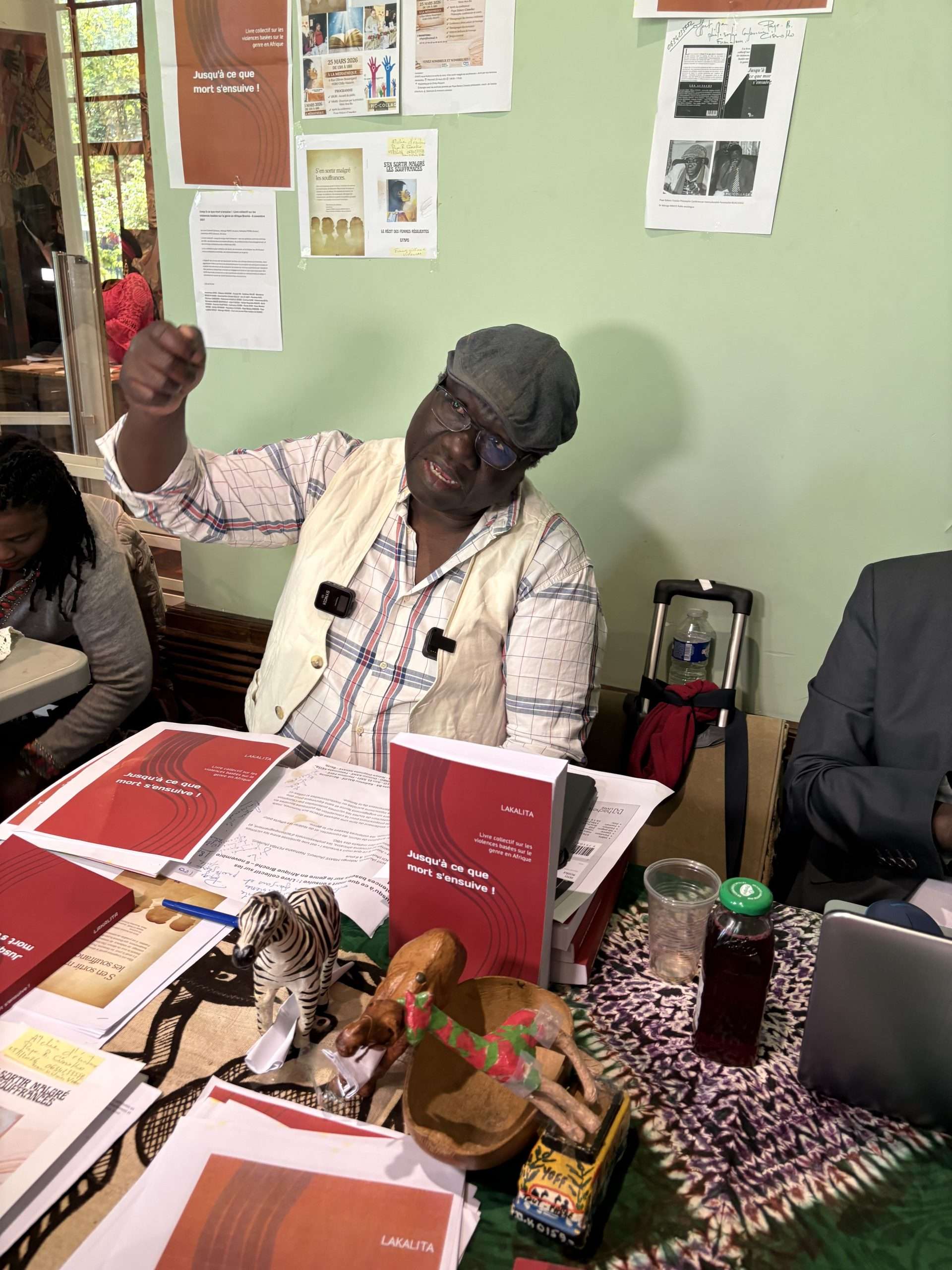
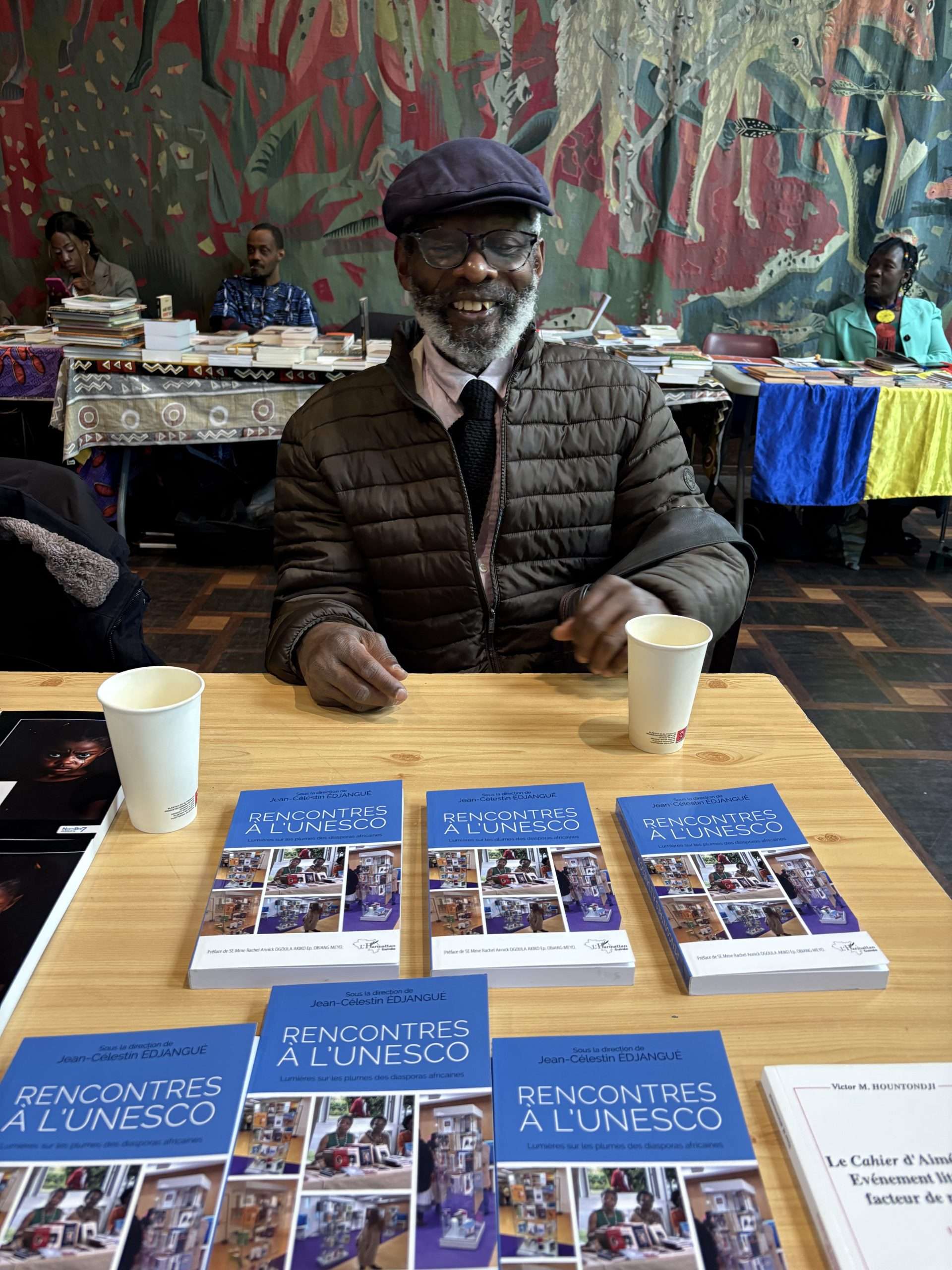
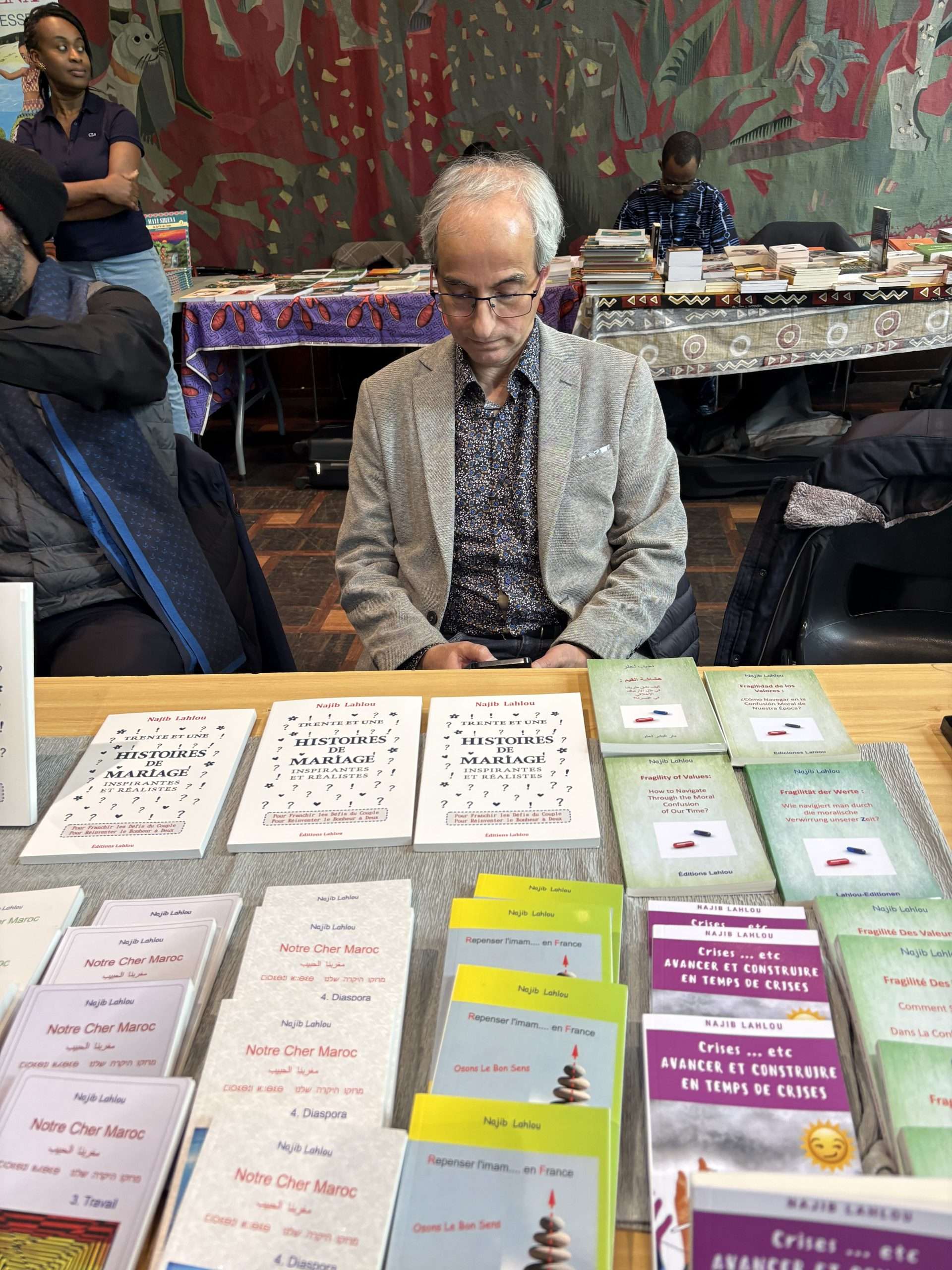
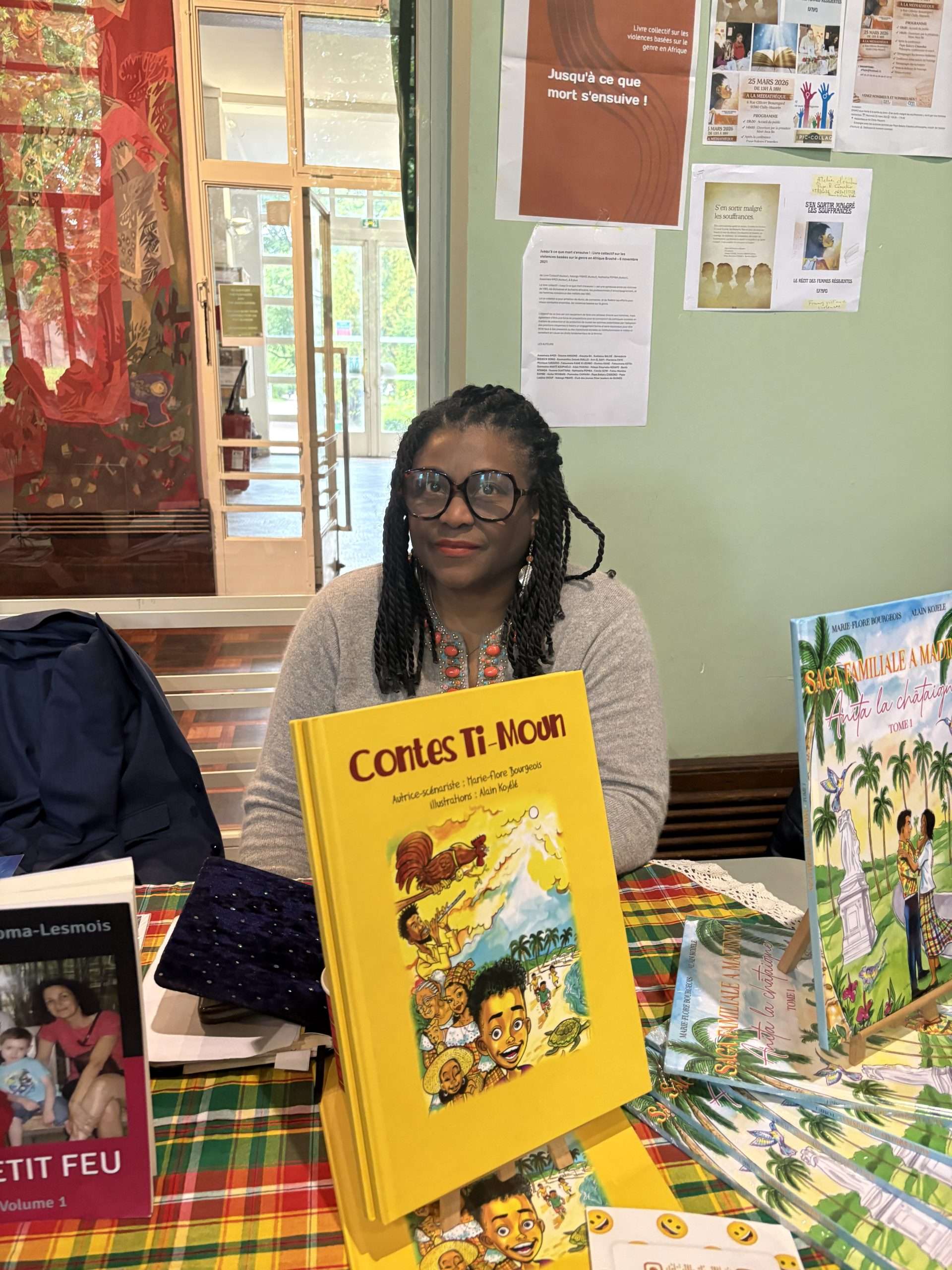
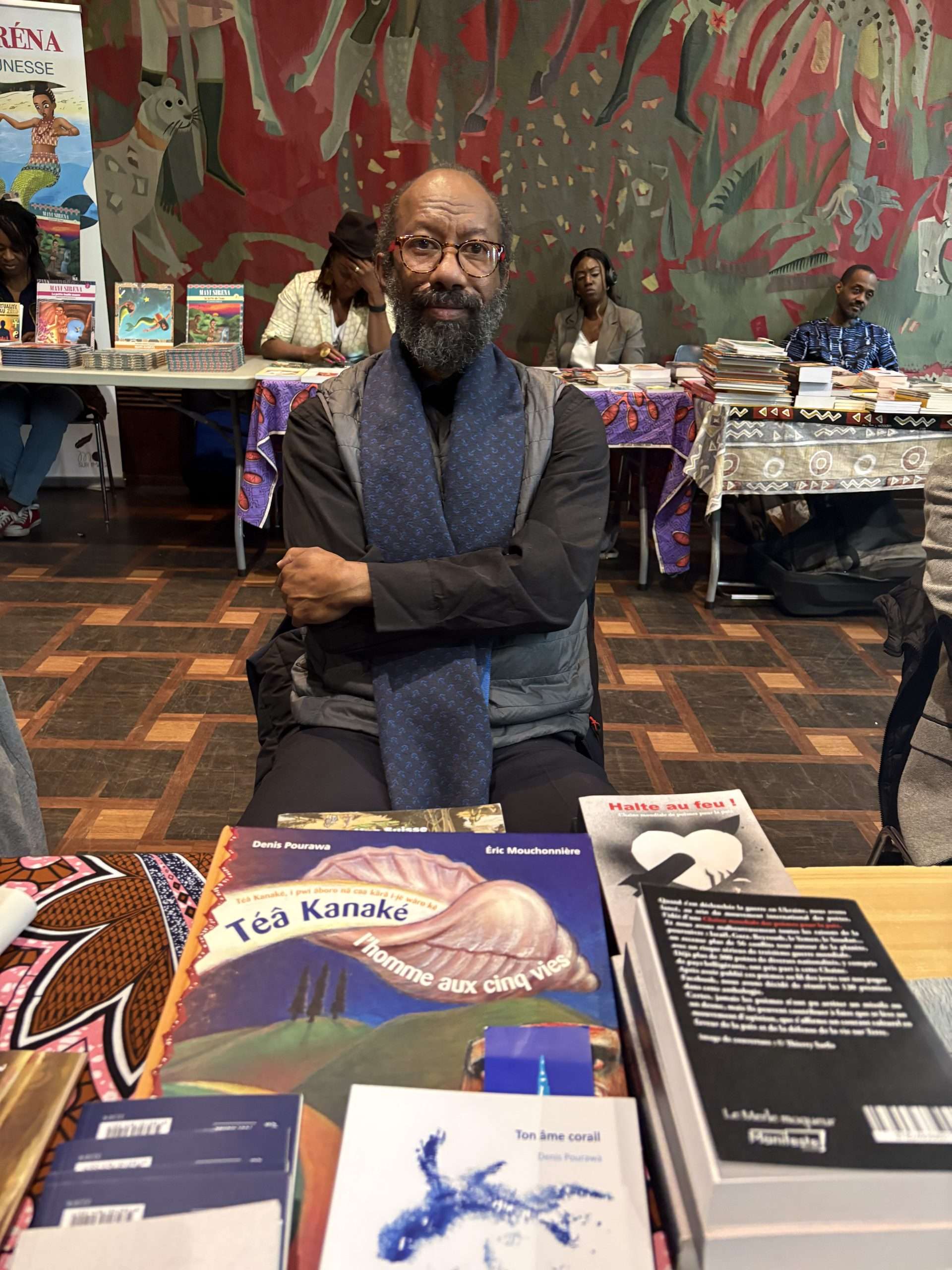
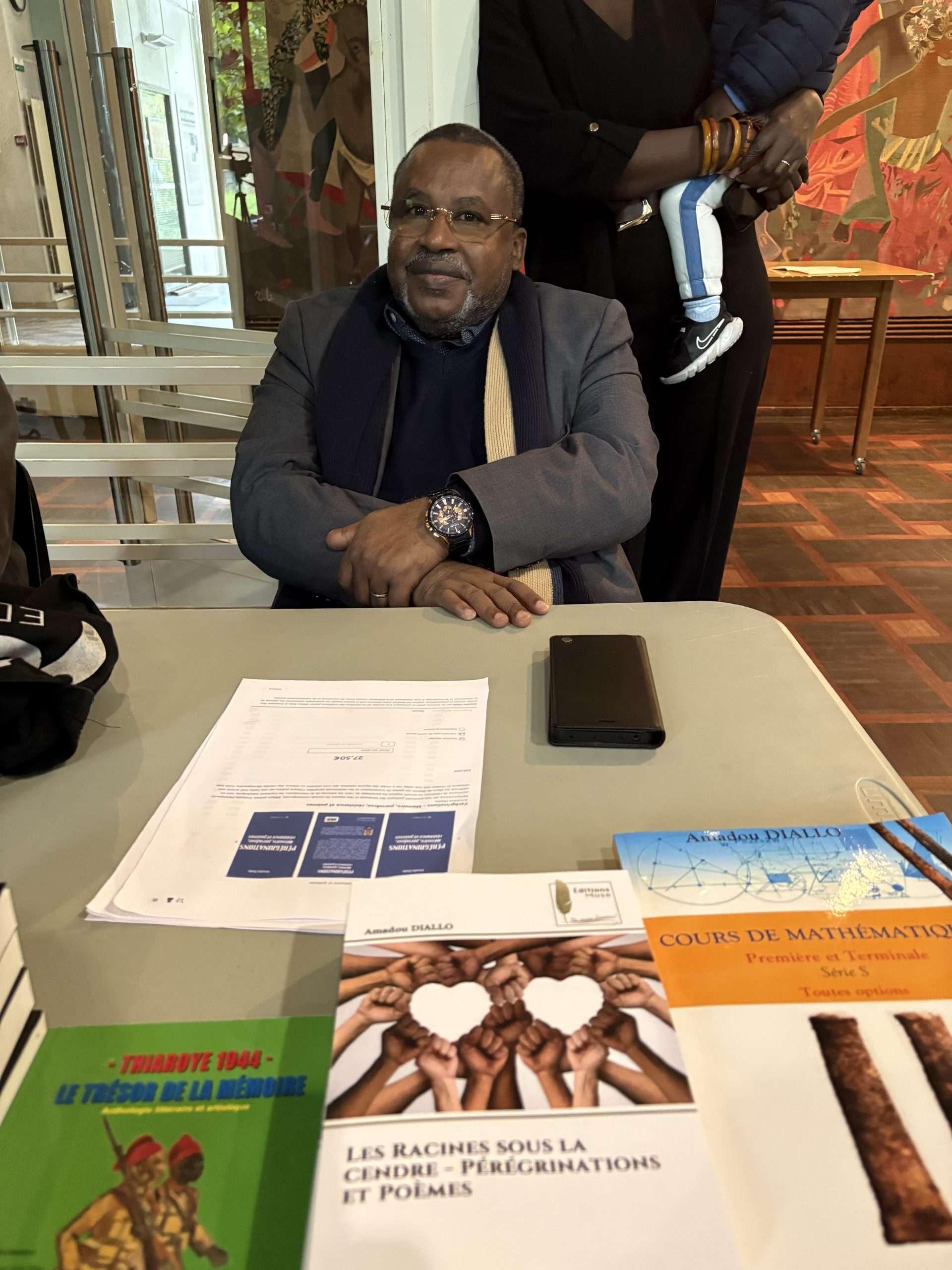
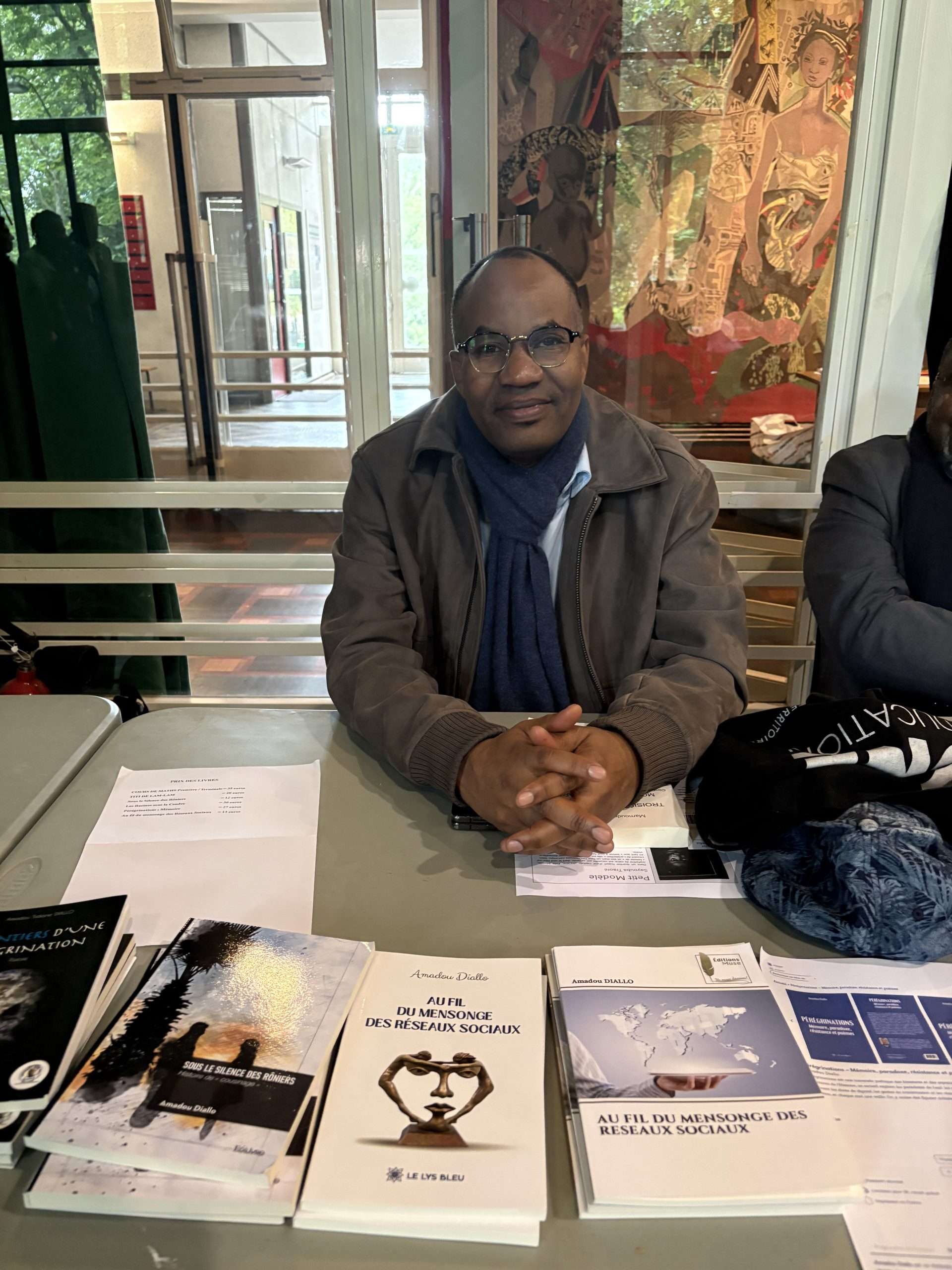
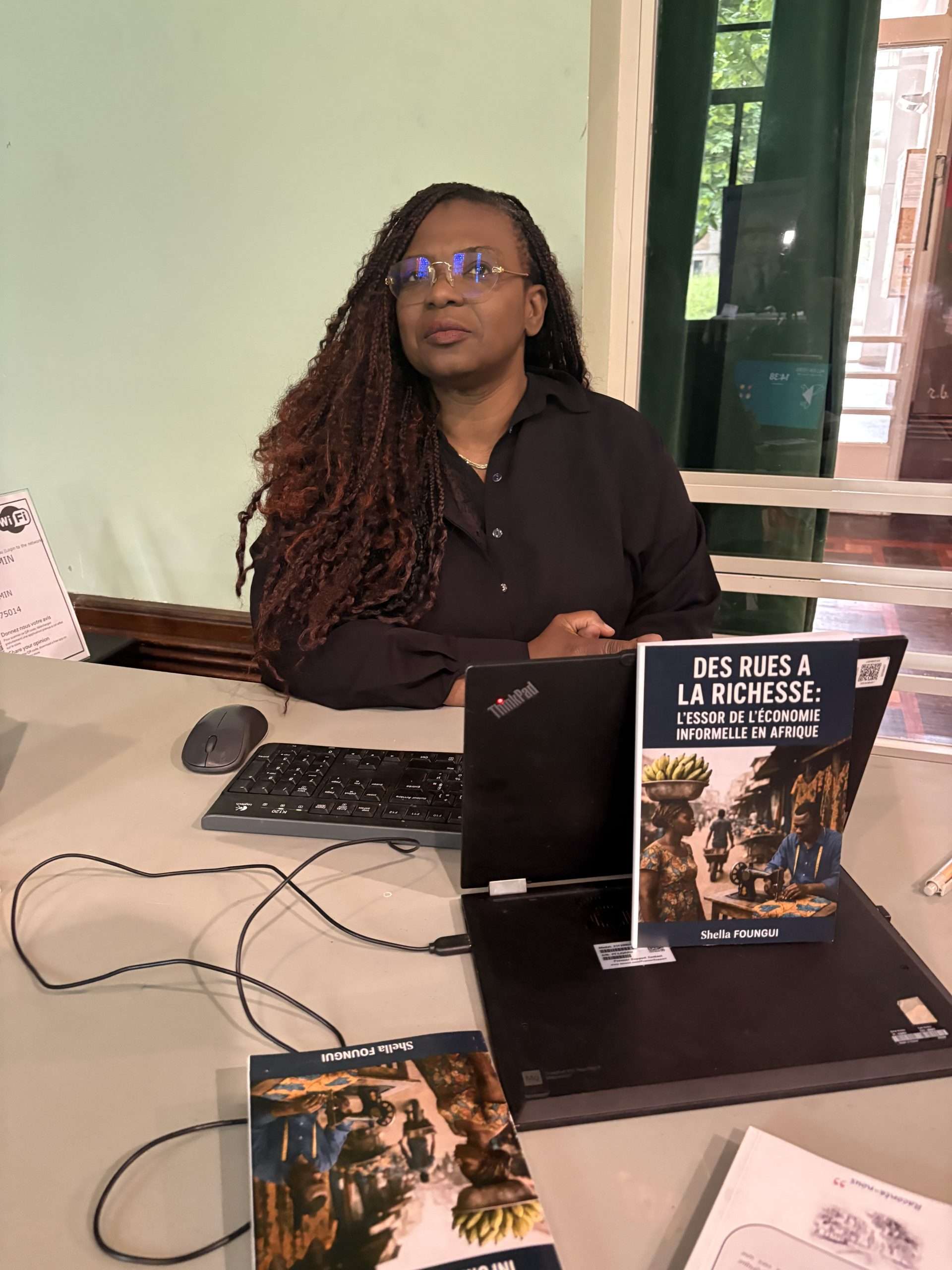
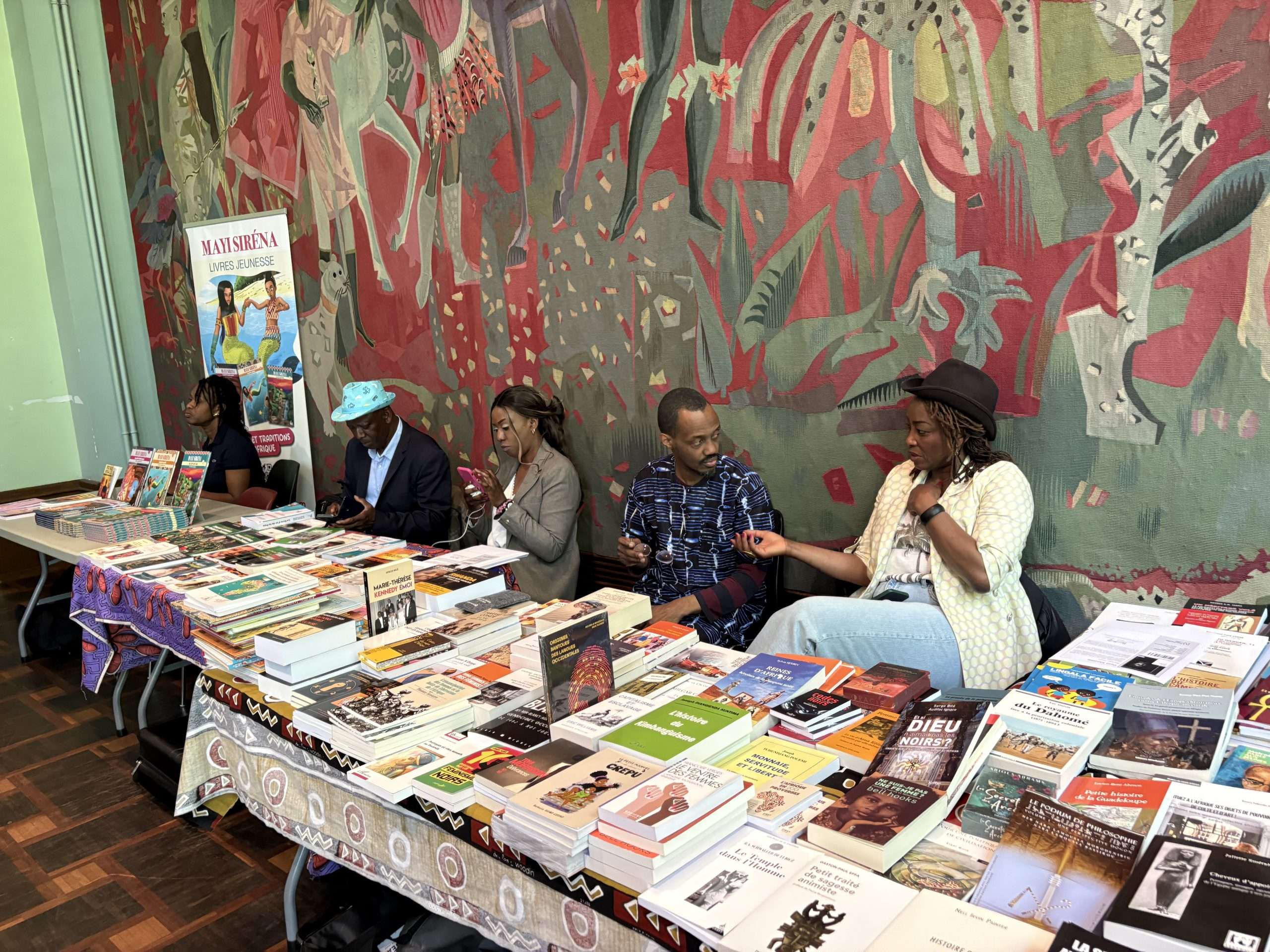
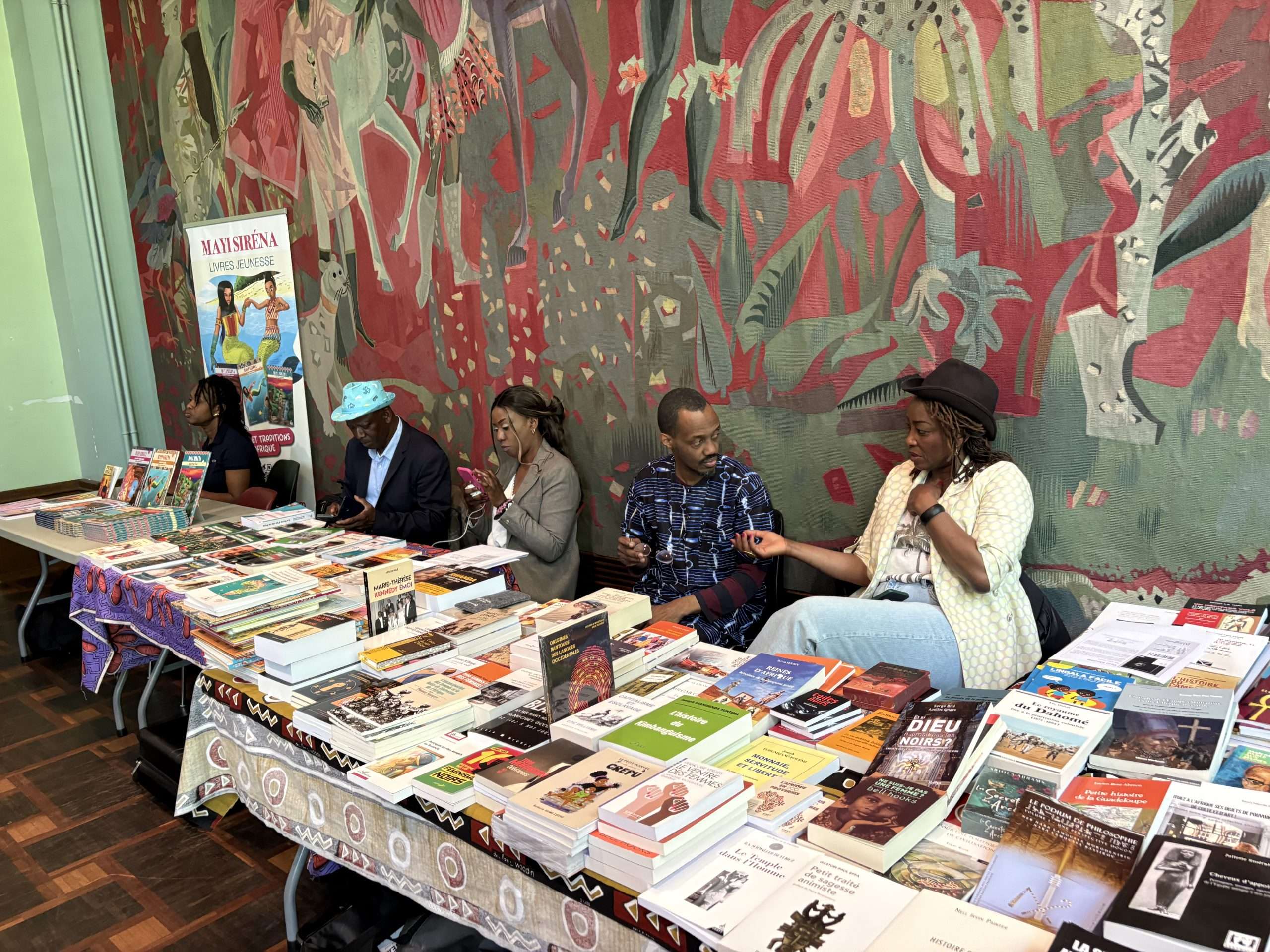
“The African Pen in the Service of Humanity”
Held under this theme, the event reaffirmed the organizers’ ambition to make African literature a tool for dialogue, transmission of knowledge, and reflection on the major challenges facing the contemporary world.
From the early hours of the day, the Lucien Paye Foundation welcomed a large audience attending conferences, literary encounters, poetry readings, and book-signing sessions in a warm and fraternal atmosphere.
Strong Participation from Several African Countries
This first edition was marked by the participation of representatives from several African countries, reflecting the cultural, linguistic, and intellectual diversity of the African continent and its diasporas.
The organizers emphasized the importance of creating a lasting space for dialogue between African writers, readers, researchers, media professionals, and cultural institutions in order to strengthen the visibility of African literatures within major international cultural networks.
Official Speeches and Engaged Debates
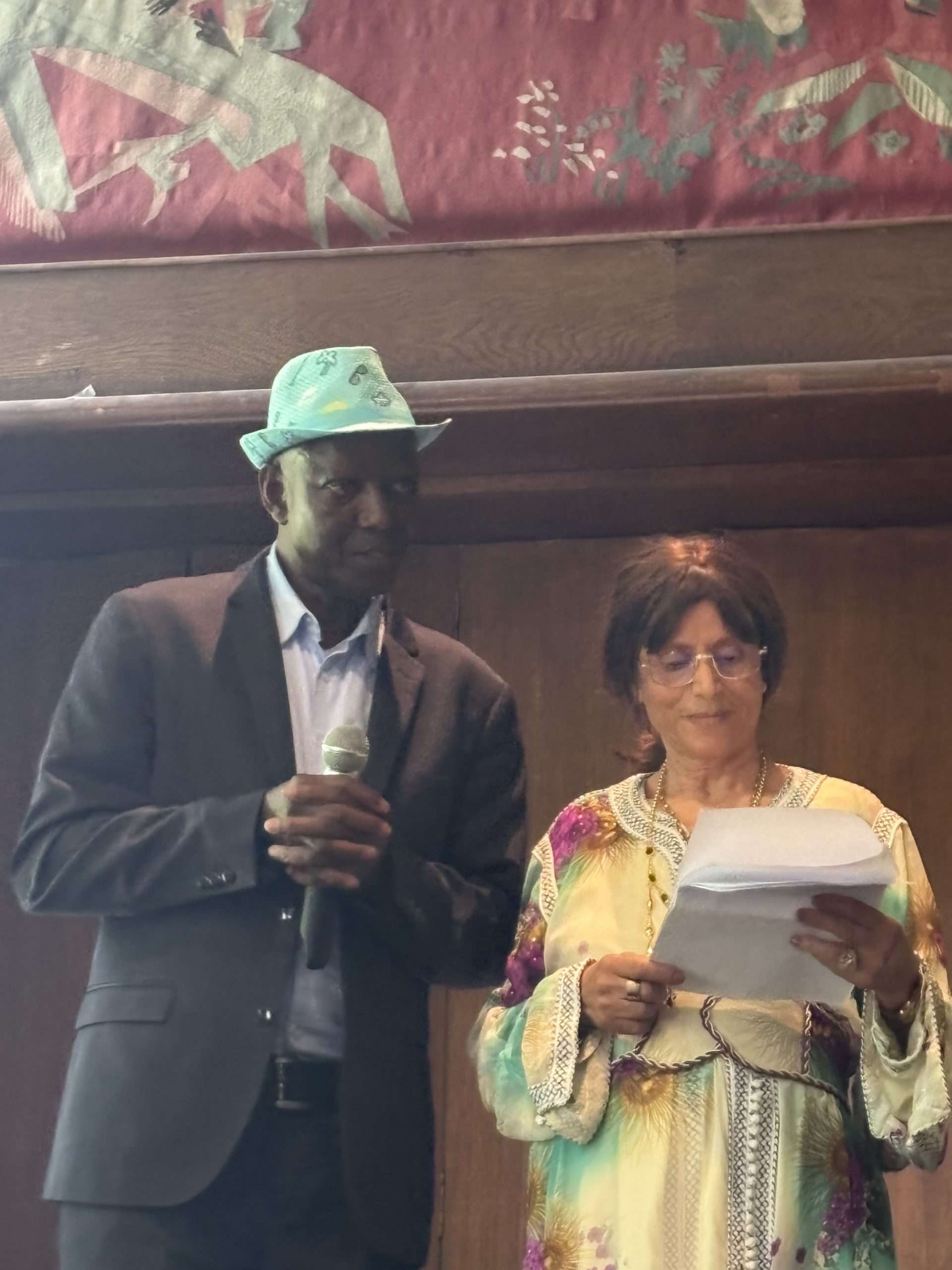
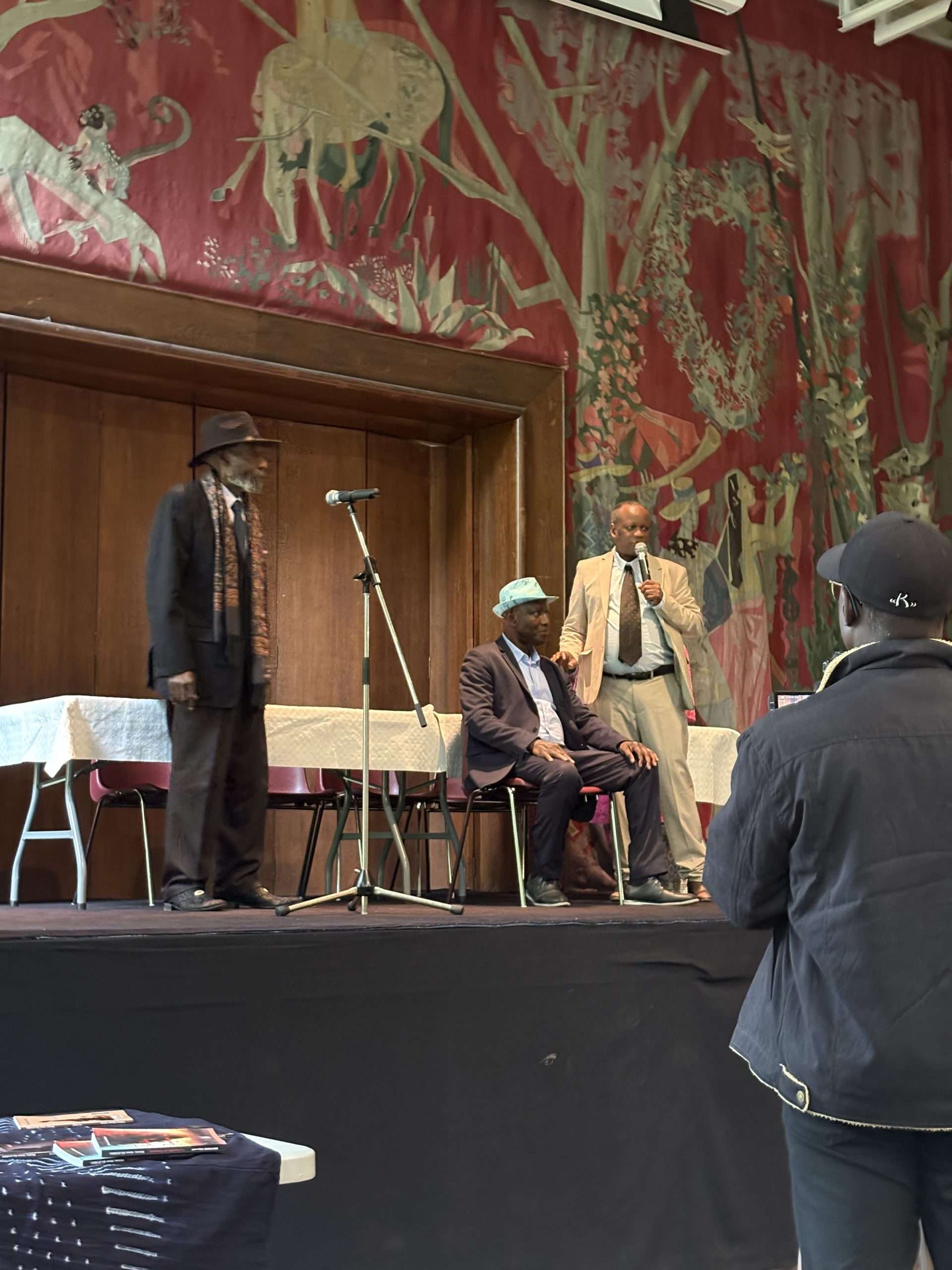
The official opening ceremony featured several institutional speeches and cultural interventions dedicated to the role of African writers in issues related to peace, memory, migration, global conflicts, cultural justice, and the transmission of knowledge.
African and Francophone Authors Gathered in Paris
Among the authors and literary personalities featured during this first edition:
Anne-Rita TOURÉ
Najib LAHLOU
Shella Alphonsia FOUNGUI
Amar MERIECH
Alassane KAMARA
Afi DANJOA
Junior BERKELEY
Amadou DIALLO
Jean BLEZON
Victor HOUNTONDJI
Pape Bakary CISSOKO
Kouamé Kouassi Pacôme Harfleur MONTEVERD
Mouhamadou MBODJ
Blanche BIKIE B’AKUE
Désirée Aimée KI-ZERBO
Yaya DIANKA
Several other writers, artists, publishers, journalists, and African cultural partners also took part in the activities organized throughout the day.
Poetry at the Heart of the Event
Poetry occupied a central place in the gathering through public readings and poetic performances that allowed African languages, sensibilities, and imaginations to engage in dialogue.
Readings, Literary Encounters, and Book Signings
Among the highlights of this first edition were:
• collective poetry readings;
• meetings between authors and readers;
• discussions on the place of African literature in the world;
• debates on the role of writers in addressing contemporary crises;
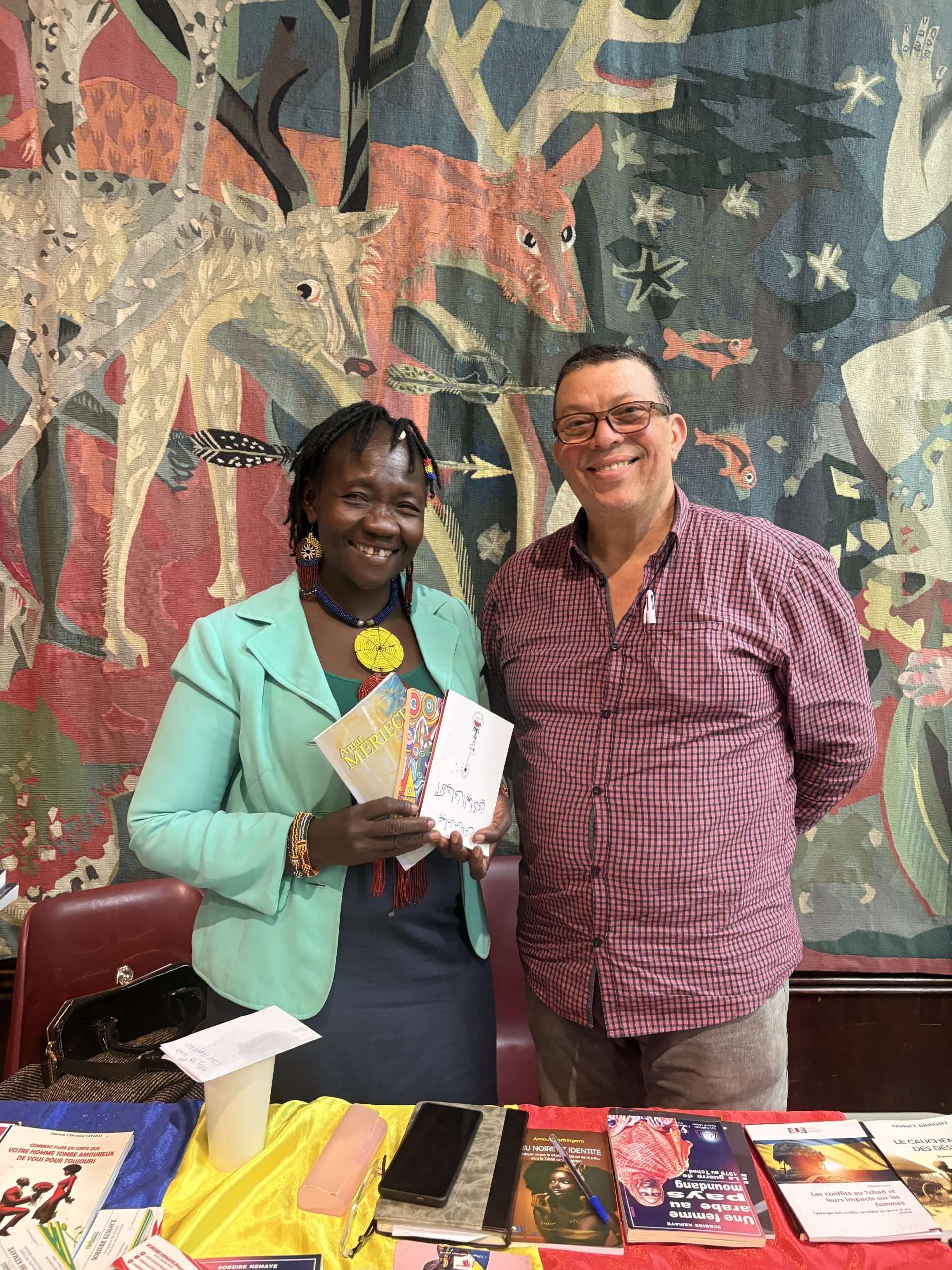
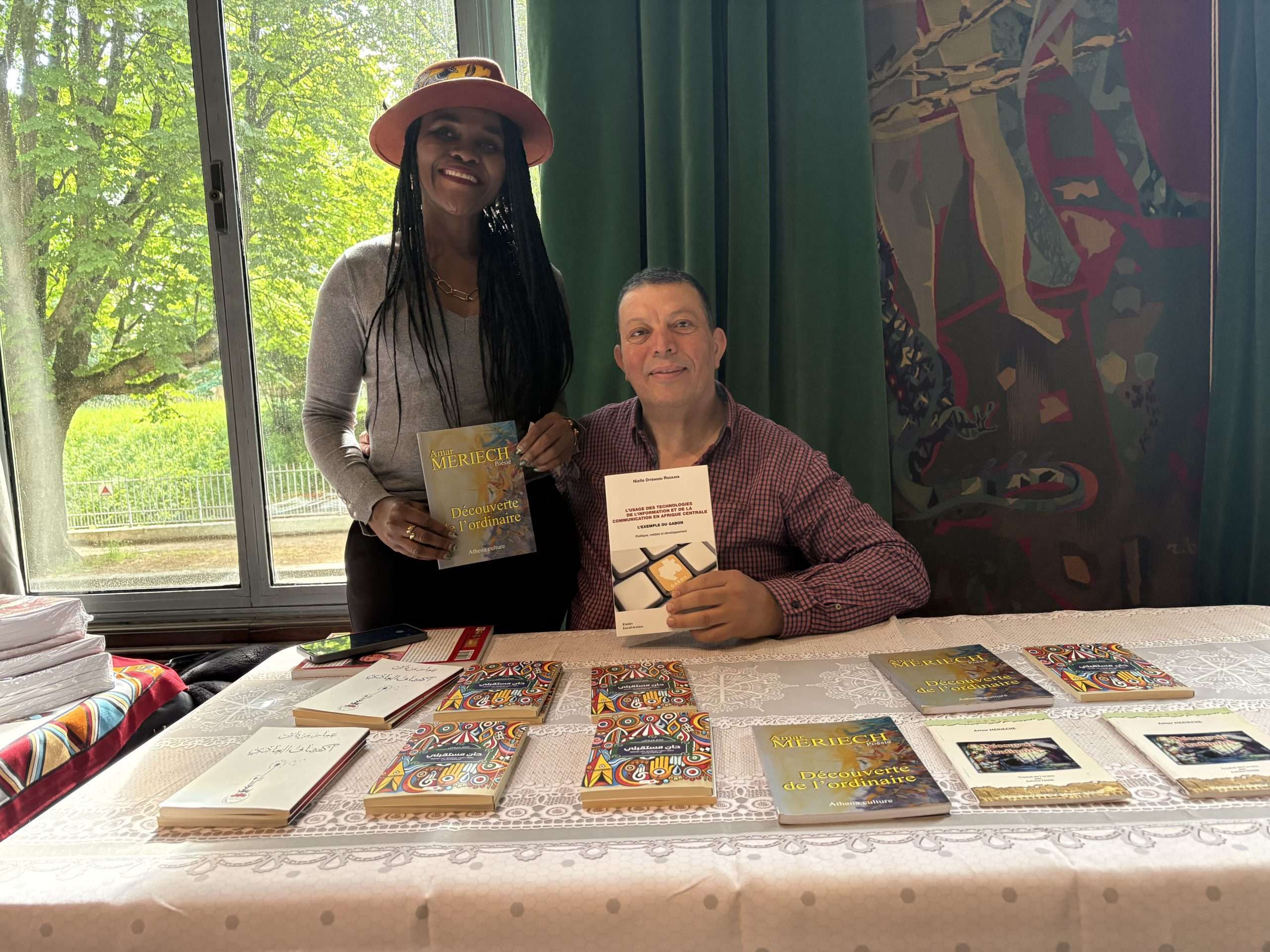
• book presentations and signing sessions.
The discussions brought together several major figures from the African literary and cultural world in a shared commitment to defending an engaged literature, open to the world and capable of participating in major international intellectual conversations.
Literature, Memory, and Cultural Dialogue
Beyond its literary dimension, this first edition of JILA also became a human and cultural meeting point bringing together different generations of African and diasporic writers.
In a global context marked by geopolitical tensions, identity crises, and digital transformations, several speakers reminded the audience that literature remains an essential space for freedom, critical thought, and dialogue between peoples.
An International Cultural Ambition
The organizers now aim to establish this initiative permanently within the Parisian and international cultural landscape, making the International African Book Day a major annual event dedicated to contemporary African creativity.
The success of this first edition already confirms the growing public interest in African literatures and in the intellectual voices of the continent and its diaspora.
Through this event, Paris became, for one day, a true crossroads of African imaginations, poetry, memory, and intercultural dialogue.